Letters to the Editor Published on May 7, 2026
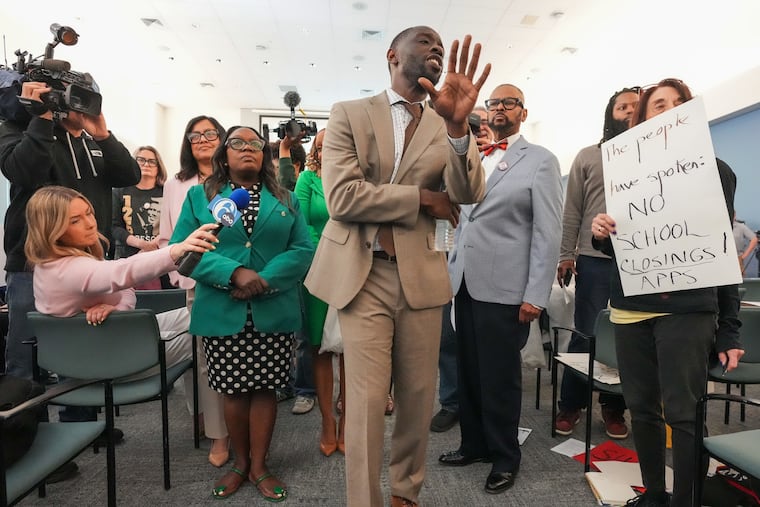
In a recent development regarding the financial state and operational decisions of Philadelphia’s educational system, City Council members have publicly protested during a Board of Education meeting concerning proposed school closures. This action has elicited a variety of responses, with some commentators suggesting that the protest serves primarily as political theater rather than a meaningful challenge to the financial realities faced by the school district.
The Board of Education’s capacity to address its challenges is constrained by its limited financial resources. Each fiscal year, City Council plays a pivotal role in determining the funding allocated to the school district, which has sparked criticism of Council’s recent objections to Board decisions. As critics observe, the protests seem to reflect a paradox, where Council members appear to contest decisions that stem from their own funding choices.
Philadelphia’s educational landscape is facing significant challenges, including low enrollment rates at many schools. As a corrective measure, the Board is contemplating the closure of underutilized school buildings to concentrate resources on facilities that could benefit from modernization and investment. While the goal of maintaining all schools is commendable, critics argue that the fiscal reality prevents such an outcome without serious compromises.
The underlying sentiment among stakeholders emphasizes the distress associated with school closures. Residents feel a profound connection to their local schools, which serve as crucial community anchors. Nevertheless, the complexities of balancing fiscal responsibility with community needs are substantial. Stakeholders urge City Council members to engage in thorough discussions regarding the closure plans and provide their constituents with clear explanations about the necessity of these decisions.
Furthermore, addressing the criticisms directed at City Council’s actions, there has been a call for the institution to evolve beyond its previous shortcomings. The current Council comprises a diverse group of individuals with varied professional backgrounds, suggesting a greater capacity for problem-solving and collaboration than in past iterations.
With substantial funding increases from the city, providing over .1 billion since fiscal year 2018, efforts are underway to enhance the quality of education within Philadelphia. Nevertheless, transparency and community engagement in the decision-making process are crucial, as many residents feel left out of important dialogues that affect their children’s educational future.
As Philadelphia navigates these challenges, a collaborative approach that encourages trust and accountability among all stakeholders will be essential to improving the educational landscape for every child in the city. The ongoing debate on school closures and their implications highlights the need for comprehensive solutions grounded in cooperation and a shared commitment to education.
Media News Source