Salem County town faces challenges in preserving its last dairy farm amid community concerns.
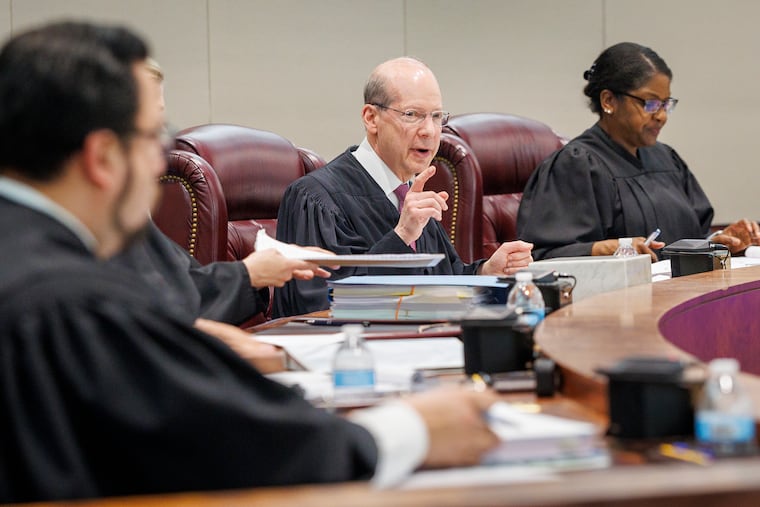
In Mannington Township, New Jersey, the future of a cherished family farm hangs in the balance as the local planning board convenes to deliberate a significant solar project that could reshape the agrarian landscape. The Cadwallader family, who have been farming in the area since the 1860s, faces a challenging decision amid declining traditional dairy farming viability. With only one remaining active dairy farm in the region, the Cadwalladers believe a large-scale solar installation on their 300-acre Waldac Farm could serve as a crucial lifeline, helping them avert the pressures of development that threaten to transform their land into warehouses and residential complexes.
Over the course of four planning board meetings, residents and board members have raised numerous environmental concerns regarding the solar project, questioning whether it may disrupt local wildlife or degrade the soil and water resources. The Cadwalladers, in partnership with AES Corp., the Illinois-based company overseeing the project, have been prepared to address these issues. They argue that the state’s energy policies support such initiatives to meet growing energy demands. Furthermore, they propose an innovative approach by integrating agriculture and renewable energy, commonly referred to as “agrovoltaics.” This solution aims to mitigate the visual impact of solar panels by allowing sheep to graze among them, also catering to local wildlife.
Despite these arguments, skepticism remains. Residents are apprehensive about the potential aesthetic changes to the township’s landscape and have voiced concerns regarding diminished property values. Critics question whether deploying solar panels on farmland aligns with the township’s commitment to preserving its rural character. Supporters of the project, however, emphasize the economic benefits, including potential job creation during construction.
The Cadwalladers’ predicament reflects a broader national trend where small family farms struggle to survive amid increasing production costs and competition from larger agricultural operations. Nationwide data reveals a stark decline in the number of dairy farms, signaling a critical juncture for many families engaged in agriculture.
As the meeting reached its conclusion, Andrew Cadwallader, the family’s heir and college senior, articulated the challenges they face as they seek to preserve their legacy while adapting to modern realities. Facing a hostile vote, the family must now contemplate their next course of action, including the possibility of seeking avenues for farmland preservation if the solar project fails. Ultimately, the Cadwalladers remain committed to their mission of sustaining their farm, underscoring the delicate balance between preserving agrarian heritage and embracing future opportunities in an evolving agricultural landscape.
The evolving narrative at Waldac Farm serves not only as a local story but also as a significant case study in the ongoing debate over agricultural sustainability and renewable energy initiatives nationwide, reflecting the challenges, aspirations, and conflicts typical within rural communities today.