Increasing numbers of retired seniors are taking on gig work to supplement their income.
In Plainview, New York, the rising trend of “unretiring” is evident through the story of 74-year-old Stu Goldberg, a former neuropsychologist and business owner. After a challenging financial situation post-retirement, Goldberg turned to driving for Uber during the night, emphasizing the value of flexibility and interaction with diverse passengers. With a handwritten checklist of reminders prioritizing safety, his experiences have shed light on the complex realities facing retirees entering the gig economy.
A recent development shows that many retirees, like Goldberg, are reentering the workforce due to inadequate retirement savings, increased living costs, and a desire for active engagement in society. According to a survey conducted by AARP, nearly 20 percent of Americans over 50 have no retirement savings. The appeal of gig jobs lies in their flexibility, allowing individuals to set their own hours and work as needed. From driving services to environmental caretaking, these roles cater to those seeking part-time engagements while supplementing retirement income.
Industry experts point out that longer life expectancies are prompting individuals to work beyond traditional retirement. Carly Roszkowski, vice president of financial resilience at AARP, notes that the conventional notion of retirement has evolved, highlighting the necessity for many to generate income later in life. Goldberg initially sought teaching opportunities after winding down his telemarketing enterprise but later found comfort and convenience within the ridesharing sector.
The gig economy presents notable pros and cons. While it offers independence, retirees must also contend with issues such as job instability and a lack of benefits. Driving, for instance, can have physical implications, as Goldberg notes challenges related to back strain and the difficulties of managing essential breaks while on duty.
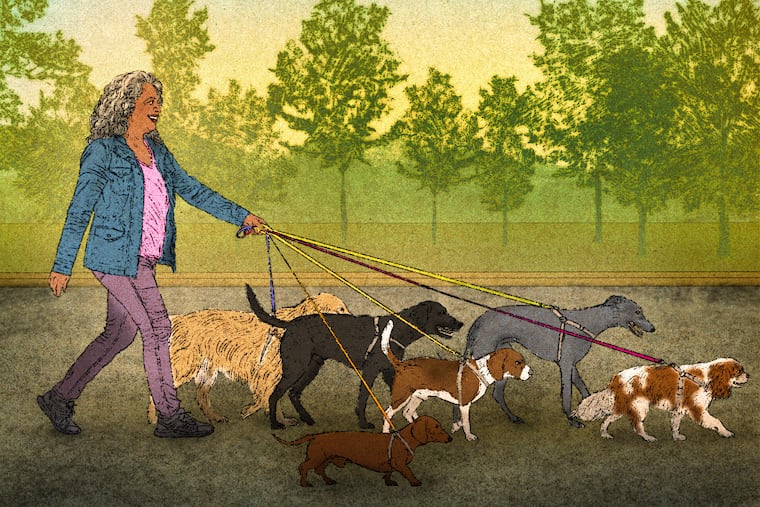
Moreover, the social aspect of part-time work cannot be understated. For individuals like 78-year-old Baruch Schwartz, who shifted from a full-time wedding photographer to driving for rideshare services, the job provides a sense of purpose and connectedness to the community. For many such as Barbara Baratta, a retired pediatric nurse, dog-walking via platforms like Rover has become a means to stay active while maintaining social interactions.
The choice to rejoin the workforce through gig employment, however, does come at a cost. Retirees often have to navigate earnings that may fall short of sustaining their financial needs, particularly when companies retain substantial cuts from workers’ pay. As the gig economy continues to grow, it becomes imperative for those involved to weigh their options carefully and strategize for sustainable income.
While opportunities abound for retirees seeking supplemental income, those who venture into gig work should be aware of both the favorable and unfavorable aspects that accompany such roles. By thoughtfully assessing their capabilities and seeking opportunities that align with their health and financial well-being, seniors can make informed decisions in an ever-evolving labor market.
As the landscape of employment continues to change, the narratives highlighted through individuals like Goldberg and Baratta underscore the resilience and adaptability of retirees navigating the realities of modern living.