Morning Newsletter Reports on Recent Vehicle Cuts and Developments
Rising to meet the daily demands of life in Philadelphia, the community has turned its focus to two notable narratives shaping the local landscape. The first highlights a unique mobile barbershop, while the second delves into the evolving dynamics of rideshare taxation in the city.
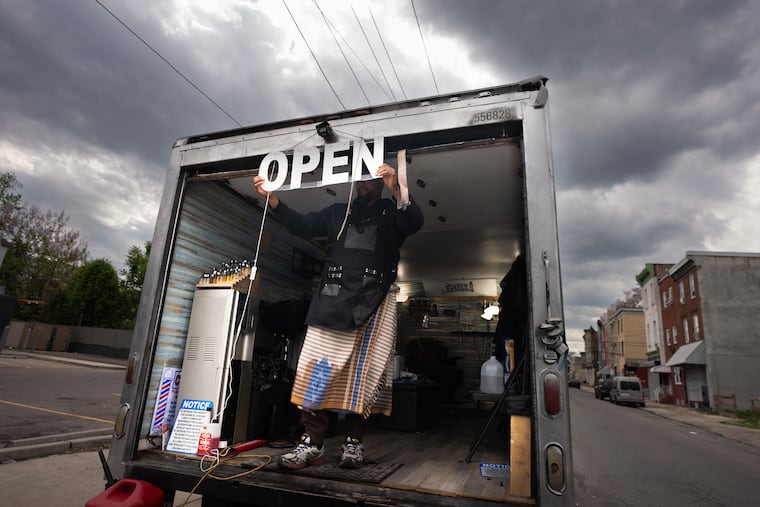
In North Philadelphia, “Nice Cutz,” a mobile barbershop operated by William Sanders, commonly known as Siddiq, has gained recognition for its innovative approach to providing personal grooming services. Operating from a customized box truck, Siddiq offers a private and comfortable environment for clients seeking haircuts. He began honing his barbering skills at the age of 15 in Frankford and officially launched his mobile business during the pandemic. Positioned primarily near Broad and York streets, Siddiq has expanded his reach to community events and facilities where traditional access to barbering services may be limited, such as rehabilitation centers and nursing homes. This endeavor not only meets the grooming needs of the community but also aims to inspire local entrepreneurship, showcasing the value of self-starter initiatives in urban areas.
In a different vein, Philadelphia’s City Council is currently evaluating a proposal from Uber concerning the ongoing discussion around the city’s rideshare tax. City officials are exploring alternatives to Mayor Cherelle L. Parker’s proposal to impose a charge per ride, which has drawn significant public discontent. Uber has presented a compromise that would increase the current rideshare tax from 1.4%, thereby lowering the immediate economic burden on consumers. However, it is important to note that even if the proposed tax were to be doubled, it is projected to generate less revenue than the mayor’s original plan, which is critical for funding essential services, including public schools.
The introduction of this new proposal from Uber adds a layer of complexity to the regulatory landscape, as it would necessitate approval from state authorities rather than solely from the city council, indicating some traction in both government chambers. As these discussions unfold, stakeholders within the community are encouraged to consider the implications of taxation on transportation services and its impact on overall urban development.
Both the rise of mobile entrepreneurs like Siddiq and the intricate negotiations surrounding rideshare regulation reflect the dynamic nature of life in Philadelphia, where community needs and governance intersect in impactful ways. Community engagement and innovative solutions are essential for addressing the challenges faced in urban settings.