Efforts to Protect Immigrants in Philadelphia Remain a Priority Over Terminology Used to Describe the City.
In recent discussions surrounding Philadelphia’s immigration policies, Mayor Cherelle L. Parker’s approach has prompted both scrutiny and speculation. While she refrains from using the term “sanctuary city,” her language suggests an effort to create a welcoming environment for immigrants, though critics argue that this may not go far enough in the current political climate.
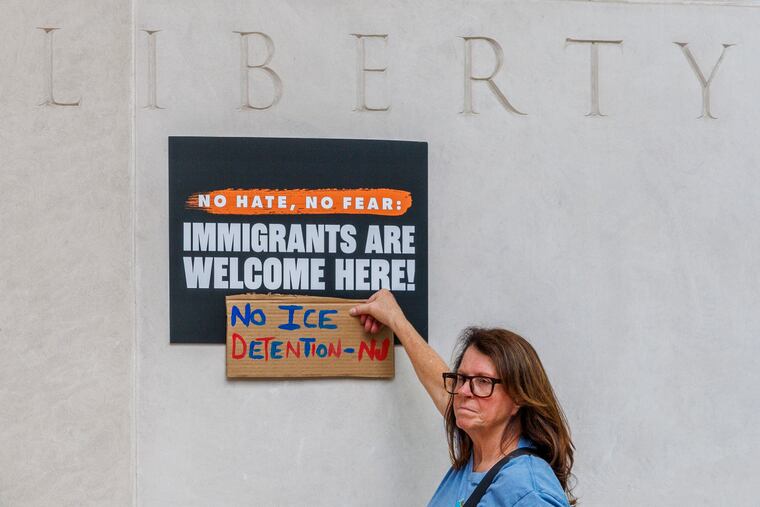
On a recent occasion, Parker’s framing of Philadelphia’s stance towards immigrants came to light during a conversation with Jasmine Rivera, the executive director of the Pennsylvania Immigration Coalition. While Parker’s administration faces challenges from federal immigration policies spearheaded by the Trump administration, the city’s response has evolved—deliberately moving away from terminology that could be seen as confrontational. The term “welcoming city,” as reiterated by City Council President Kenyatta Johnson, reflects this strategic shift, steering clear of terms that may trigger federal backlash.
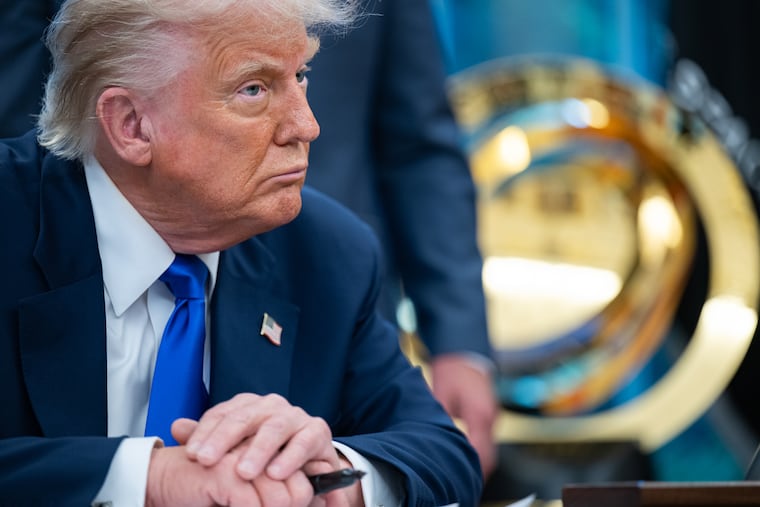
The backdrop to this debate is significant. President Trump’s recent executive orders threaten to withhold funding from cities that do not cooperate with federal immigration enforcement. This development has raised concerns regarding the safety and sense of security among immigrant communities in Philadelphia, where police are traditionally expected to refrain from assisting Immigration and Customs Enforcement (ICE). However, recent incidents, including the arrest of a Dominican national at a city courthouse, raise questions about the practical implications of such policies.
Rivera emphasized that the shift from “sanctuary city” rhetoric is not entirely new but rather part of a longer-term trend aimed at ensuring that immigrants understand the nuanced realities of safety in Philadelphia. Precise language is critical, as the term “sanctuary” can inadvertently create misconceptions about the protections that local policies provide against federal immigration actions. Rivera articulated that even with local policies in place, the risk remains, as ICE continues to operate actively in the community.
The current administration faces a pressing need for clearer communication and a cohesive strategy to directly address the concerns of immigrants and their advocates. Mayor Parker recently reiterated her commitment to ensuring public safety and equitable opportunities for all residents, but many feel that this message needs to be matched by actionable steps, particularly in engaging with immigrant leaders and communities.
The city’s legacy as a stronghold for immigrant rights, including successful legal battles against federal actions, underscores the importance of reaffirming Philadelphia’s dedication to protecting its diverse populace. Many advocates are calling for proactive measures and direct dialogues between the mayor and community representatives to ensure that immigrant voices are heard and considered in the shaping of policies.
Ultimately, the future of Philadelphia’s position on immigration remains uncertain, as local leaders navigate the challenges posed by federal pressures. Transparency and an open line of communication could serve as essential steps in proving the city’s commitment to being a safe and accessible environment for all of its residents, irrespective of their immigration status. As the political landscape continues to evolve, the conversation surrounding the city’s role in supporting its immigrant communities will undoubtedly be one of great significance moving forward.