
May 26, 2026: Letters to the Editor Published
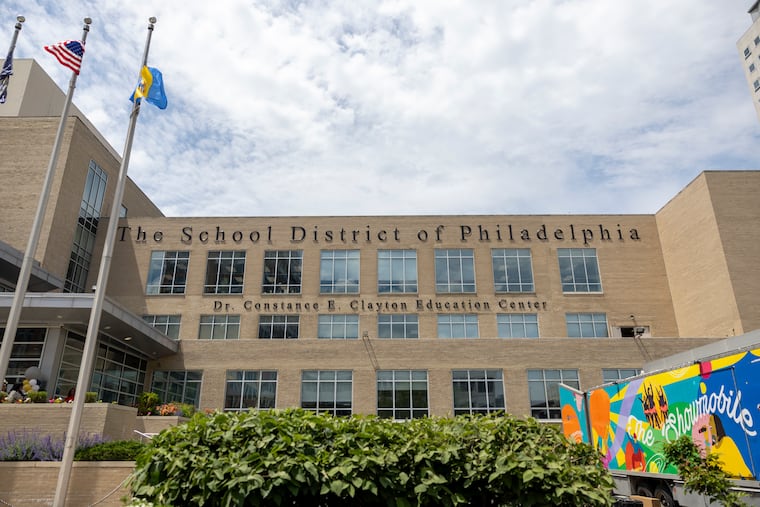
In a recent discussion surrounding the Philadelphia School District’s rightsizing efforts, concerns have emerged regarding the complexity and fairness of the authorizer’s role in addressing public charter schools. The editorial stance highlighted that for the process to be truly equitable, it must involve an authorizer devoid of any financial interest in the outcomes, a situation currently absent in Philadelphia.
Philadelphia Charters for Excellence (PCE), an organization representing 70 brick-and-mortar charter schools, advocates for the rights of approximately 65,000 students, urging that families have the autonomy to choose their preferred learning environments. The organization emphasizes its commitment to accountability, stating that when a school fails to meet educational standards, action is necessary in a manner that is fair and just. However, PCE expressed its dissatisfaction with the current system that positions the Philadelphia School District as the sole evaluator of charter schools. This conflict of interest draws criticism, as charter schools are seen as direct competitors for both student enrollment and funding, which jeopardizes the integrity of the accountability process. An independent legal assessment conducted by Ballard Spahr in 2023 supports these claims, pointing to systemic issues that could unfairly impact underserved communities.
Moreover, PCE highlighted that educational funding in Pennsylvania is closely tied to student enrollment. Citing a perceived misallocation of blame, they contend that attributing a 0 million operational deficit to charter schools inadequately addresses the broader challenges of funding inequities and the district’s operational expenditures. This analysis presents an incomplete view, potentially diminishing the rights of charter school students to adequate resources.
PCE acknowledges the necessity of accountability measures, stressing that its legal actions are not aimed at evading scrutiny. Instead, the organization seeks to ensure that accountability standards are applied uniformly and consistently across all educational institutions. Citing the model of independent charter authorization established in Washington, D.C. in 1996, PCE argues that Philadelphia’s educational landscape deserves an unbiased framework for overseeing charter schools, aiming for the same level of reliability and fairness.
Ultimately, the discourse surrounding the future of charter schools in Philadelphia not only evokes questions of accountability but also highlights the pressing need for a balanced approach to educational governance that prioritizes the needs of families and students. Media News Source emphasizes that as discussions progress, the importance of establishing an impartial authorizing body becomes increasingly paramount in fostering a healthier educational environment in the city.


