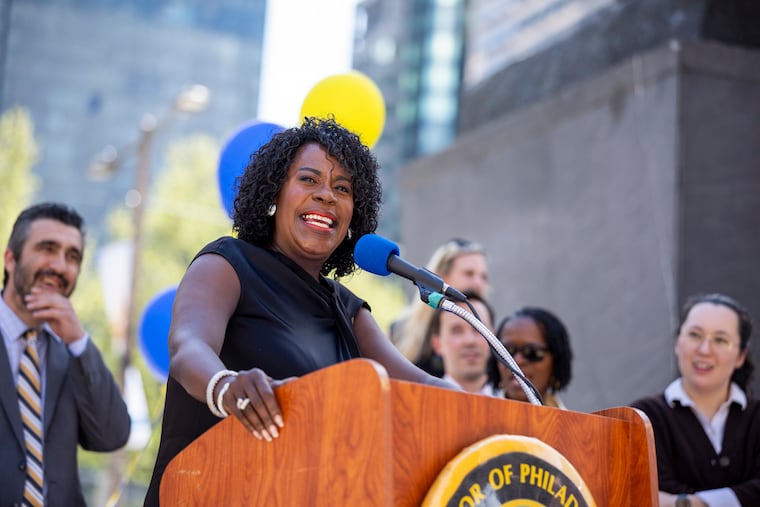
Philadelphia Mayor Cherelle Parker faces challenges as she urges major tech firms to increase their financial contributions to the city.
As the deadline approaches for funding Philadelphia’s city government, Mayor Cherelle L. Parker and her top aides met last week with representatives from the city’s hotel industry to negotiate potential solutions. The mayor had initially proposed a 2% increase in the city’s hotel tax to support homelessness prevention initiatives. However, hotel industry leaders offered a different perspective, suggesting an increase in taxes on their competitors instead.
In a recent update, Parker altered her proposal, seeking to raise the hotel tax by 0.6% while proposing a substantial 6% increase on short-term rental taxes, particularly those associated with platforms like Airbnb and Vrbo. This move is part of an overarching budget strategy aimed at generating revenue for various initiatives, including funding for the Philadelphia School District to prevent staff cuts and enhancing services for pothole repairs.
Parker’s budget, totaling billion, is underpinned by several tax proposals, including a surcharge on rideshare services like Uber and Lyft, aimed at generating approximately million for the beleaguered school district facing a 0 million budget deficit. However, these tax proposals have drawn significant opposition from City Council members and industry lobbyists alike, creating a complex battlefield of negotiations as the new fiscal year looms.
Resistance has emerged from three prominent tourism organizations, which voiced strong opposition to the proposed tax increases, particularly those affecting hotels and short-term rentals. They argue that the generated funds should support traditional tourism promotion rather than be diverted to address local municipal needs. The existing 15.5% hotel tax, which is among the highest in the nation, raised nearly million for tourism in the previous fiscal year, underscoring a systemic reliance on these funds for economic growth.
Opposition is further compounded by lobbying efforts from services like DoorDash and Uber. Critics claim that the proposed retail delivery fee infringes upon state law by taxing transactions already subjected to state taxation. DoorDash argues that such a tax will ultimately pressure consumers by raising prices on everyday goods, disproportionately impacting those who rely on delivery for basic necessities.
While there exists a coalition of support led by labor unions and student advocates pushing for the tax increase impacts, many Council members are anxious about the implications these taxes may have on their constituents. Although Council President Kenyatta Johnson has remained tight-lipped regarding negotiations, he conveyed confidence in reaching an agreement with the Parker administration.
The situation remains fluid, with assertive lobbying efforts from both the mayor’s administration and industry stakeholders intensifying as they navigate toward a resolution before the critical budget deadline. All parties involved are aware that compromise will be necessary to reconcile differing perspectives and meet the fiscal demands of Philadelphia citizens.