Trump’s homelessness plan may lead to increased forced psychiatric commitments for individuals experiencing homelessness.
In recent months, the discourse surrounding involuntary psychiatric commitment in the United States has intensified, brought into stark relief by new executive actions. Historically, this practice has operated under a framework of broadly defined criteria that allowed for the prolonged confinement of individuals deemed to be mentally ill, often without adequate legal safeguards. The mental health landscape has evolved significantly over the decades, influenced by a growing awareness of patients’ rights and the push for deinstitutionalization spurred by public outrage against institutional abuses in the mid-20th century.
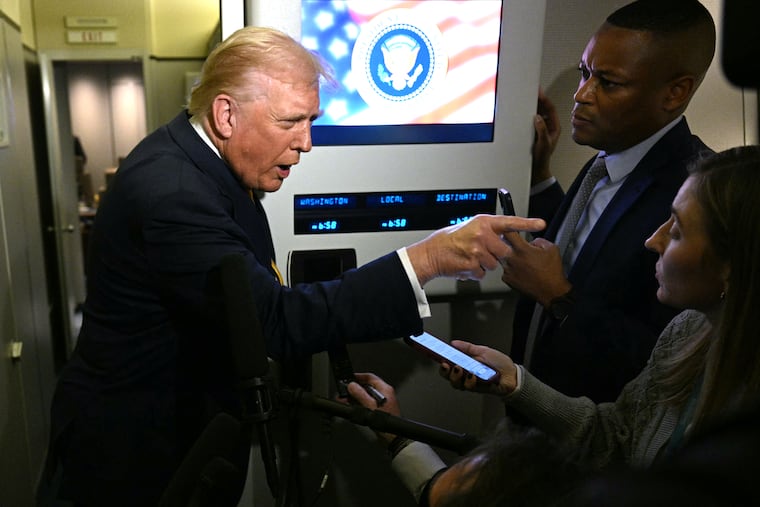
The shift toward patient-centered approaches gained steam in the 1960s and 1970s, leading to significant legal precedents that restricted authorities’ powers to confine individuals against their will. However, recent developments indicate a potential reversal of these hard-fought advancements. President Donald Trump’s Executive Order 14321, signed last summer, aims to mitigate homelessness through a controversial expansion of involuntary psychiatric commitments. This order encourages law enforcement to arrest homeless individuals, raising serious concerns about its implications for civil liberties and the integrity of the mental health system.
Critics argue that the executive order undermines established judicial protections and risks reviving practices reminiscent of the past, where the state wielded unchecked authority over individual freedom in the name of public safety. The implications of this shift may extend to newly constructed facilities, like one in Salt Lake City, which resemble prison-like environments designed to house individuals experiencing homelessness and mental health issues.
Compounding these issues, federal funding cuts to homelessness assistance programs have forced numerous non-profits to curtail their services, exacerbating the crisis of unhousing in America, where approximately 700,000 individuals face homelessness each night. The Philadelphia Furniture Bank, which provided essential resources to over 22,000 people, recently announced its closure due to funding cuts.
This executive directive contravenes established norms surrounding involuntary commitments, particularly by promoting indefinite stays in psychiatric facilities and dismantling critical consent decrees designed to safeguard patients. Experts caution that this approach not only violates constitutional principles but also risks compromising the ethical duties of healthcare professionals by pressuring them to prioritize institutionalization over patient well-being.
As the U.S. grapples with these challenges, the imperative remains clear: a coherent, compassionate mental health care system designed to assist the most vulnerable members of society is essential. Moving forward, policymakers should prioritize investments in evidence-based interventions rather than reverting to outdated practices of confinement that have historically proven ineffective and inhumane. It is crucial to cultivate solutions that promote autonomy and dignity, ensuring that those in need receive the care they deserve without undermining their rights.
Media News Source