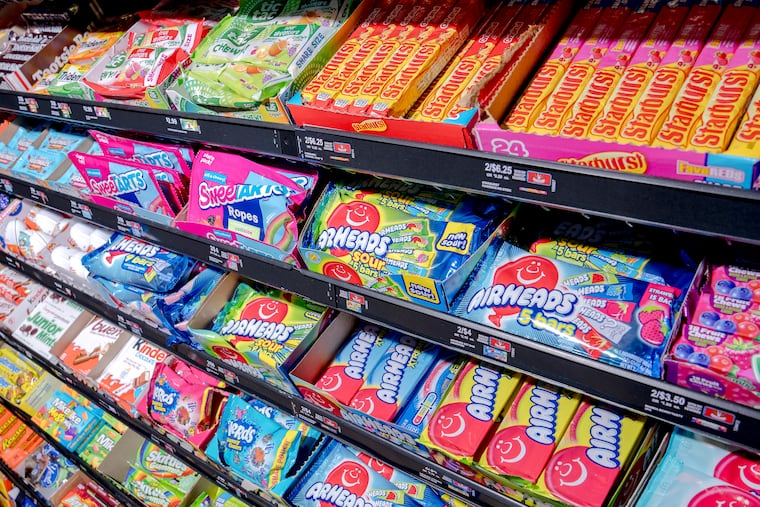
Judge rules against prohibiting food stamp purchases of sugary drinks and candy.
In a significant legal ruling, a federal judge has intervened to prevent the Trump administration from restricting the use of food stamps for purchasing sugary beverages and confectioneries. The decision, handed down by Judge Amy Berman Jackson of the U.S. District Court in Washington, D.C., comes amid ongoing debates concerning the welfare of low-income families participating in the Supplemental Nutrition Assistance Program (SNAP).
For over a year, the U.S. Department of Agriculture (USDA) had granted waivers to more than 20 states, enabling them to prohibit SNAP participants from using their benefits to buy items such as soda, energy drinks, candy, and prepared desserts. The plaintiffs, recipients of SNAP benefits from five states, filed a lawsuit in March, challenging the legality of these restrictions. They argued that the limitations created unnecessary confusion and complicated the management of health issues, including diabetes, for many families.
In her extensive 68-page ruling, Judge Jackson sided with the plaintiffs, asserting that the USDA overstepped its authority in approving these waivers. The ruling highlighted that while the agency is permitted to enhance administrative efficiency within the program, it cannot redefine “food” as established by Congress. Jackson emphasized that the agency’s actions amounted to more than mere administrative modifications; they fundamentally altered the criteria for what constitutes eligible food items under SNAP guidelines.
The judge noted that although the intent behind the waivers may have been to promote healthier eating habits among SNAP households, such goals cannot justify violating existing laws and regulations. She underscored the USDA’s obligation to adhere to legal protocols while pursuing health objectives.
The lawsuit was backed by the National Center for Law and Economic Justice, an organization dedicated to advocating for the rights of low-income individuals, in collaboration with Shinder Cantor Lerner, an antitrust law firm. Following the ruling, Katharine Deabler-Meadows, a senior attorney at the advocacy group, remarked that the decision represents a vital step toward reinstating essential food assistance for millions of families reliant on SNAP across the nation.
As of now, the USDA has not responded to requests for comments regarding the ruling. However, a spokesperson for the agency previously made clear its intention to continue efforts aligned with the “Make America Healthy Again” initiative. This ruling raises important questions about the balance between promoting public health and ensuring access to essential nutritional support for vulnerable populations.
Continued monitoring of this situation is advised, as the implications of this ruling may influence future policies aimed at assisting low-income families while navigating the complexities of public health initiatives.