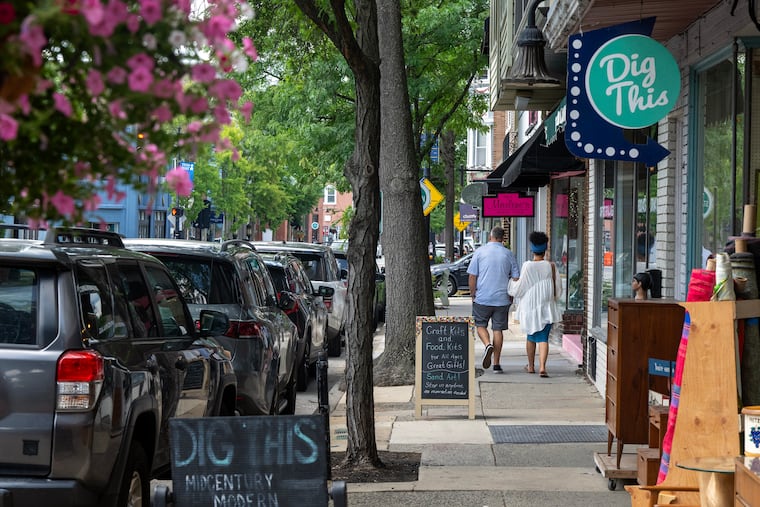
Collingswood may lift its dry town status to support local restaurants, with residents potentially having the final decision.
After over a century of maintaining its status as a dry town, Collingswood is contemplating the possibility of lifting its ban on alcohol sales. The three-member Board of Commissioners has engaged in discussions regarding this potential policy change, highlighting both the need for new revenue sources and the desire to strengthen the local restaurant industry.
With the state’s population-based licensing framework, Collingswood could potentially issue up to four retail consumption licenses for restaurants and bars or one distribution license for a full-service liquor store, depending on the town’s population metrics. The borough anticipates that permitting liquor sales could generate annual revenue through licensing fees, estimated to range from ,000 to ,000.
While preliminary discussions are underway, borough administrator Cassandra Duffey expressed the importance of considering the implications for existing businesses within Collingswood. There is a collective understanding among city officials that while the introduction of liquor sales could present benefits, it also raises concerns about maintaining a balanced business environment. The question of whether the long-standing “dry town” image holds inherent value is also part of the discourse.
Collingswood’s prohibition of alcohol sales dates back to its Quaker heritage in the 19th century. Should the borough decide to reconsider this long-standing ordinance, public approval through a referendum would be required during the upcoming November general election. For the proposal to be put on the ballot, at least 15% of voters who participated in the last general election would need to sign a petition favoring the initiative.
The borough commissioners must adopt a resolution by August 21 to allow sufficient time for the question to be added to the ballot. If voters consent to lifting the ban, the borough has the option to either conduct a competitive bidding process for liquor licenses or establish a review process that includes annual fees and public disclosure from applicants.
However, there are potential challenges ahead. If the measure is rejected during the election, state law prohibits Collingswood from holding another referendum on alcohol sales for a period of five years. Concerns have been raised by local business owners about the possible awarding of licenses to outside establishments rather than existing local restaurants, thereby complicating the distribution of licenses and revenue generation.
Collingswood’s deliberations follow closely on the heels of a similar initiative in the neighboring town of Haddon Heights, which recently voted to eliminate its de facto ban on liquor sales. Mayor Zachary Houck of Haddon Heights hopes the introduction of new liquor licenses will attract additional restaurants and support downtown revitalization efforts.
The ongoing discussions in Collingswood reflect a broader trend in New Jersey, where statewide reforms aim to increase the availability of liquor licenses and stimulate economic growth, particularly within community establishments. The future of Collingswood’s alcohol sales policy remains uncertain, but local officials are committed to engaging with stakeholders to determine a path forward that supports both the community and the local economy.
As city officials navigate this potential transition, the aim remains to foster a favorable business environment while honoring the town’s historical values.