25 states file lawsuit against Trump’s new tariffs, claiming they are a replacement for previous tariffs.
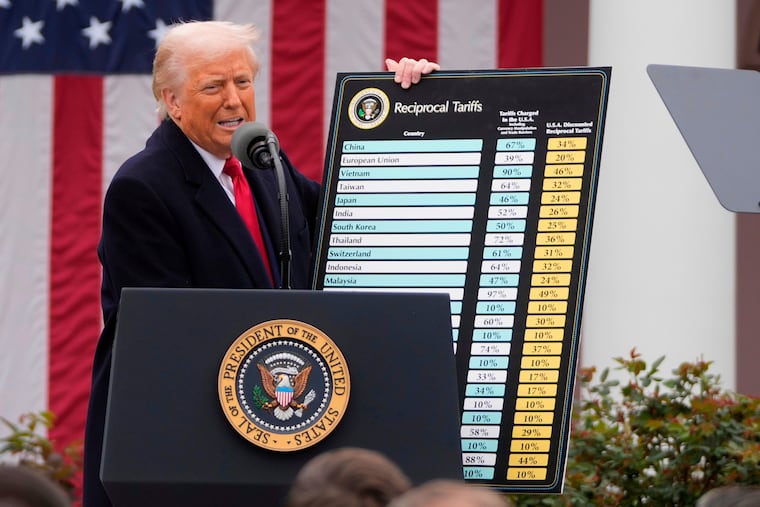
In a significant legal move, twenty-five states have initiated a lawsuit against the Trump administration regarding the enforcement of recently imposed tariffs. This legal action follows the administration’s decision to implement double-digit tariffs on imports from 59 countries and the European Union, citing inadequate efforts from these nations to combat imports produced using forced labor. The new tariffs were enacted just as temporary tariffs, instituted by the administration after a Supreme Court ruling in February that deemed prior import taxes unlawful, expired.
New York Attorney General Letitia James criticized the initiative, asserting that the administration’s actions represent an illegal attempt to impose new taxes on families and businesses following their earlier legal defeat. Joining New York in the lawsuit are states including Arizona, California, Colorado, Connecticut, Delaware, Hawaii, Illinois, Kentucky, Massachusetts, Maryland, Maine, Michigan, Minnesota, Nevada, New Jersey, New Mexico, North Carolina, Oregon, Pennsylvania, Rhode Island, Virginia, Vermont, Washington, and Wisconsin.
Pennsylvania Governor Josh Shapiro echoed concerns about the implications of these tariffs, stating that they could lead to increased financial strain for families, small businesses, and farmers within the state. Shapiro emphasized that the litigation aims to challenge what he described as harmful and unlawful tariffs, suggesting that previous court victories against Trump’s tariff policies would support their case again.
The legal focus centers on the application of the 1977 International Emergency Economic Powers Act (IEEPA), which the Supreme Court previously ruled did not grant sufficient authority to impose tariffs unilaterally. Citing a national emergency linked to the United States’ chronic trade deficit, the Trump administration had implemented tariffs on a wide array of imports. However, following the Supreme Court’s ruling, the administration was compelled to reimburse importers who had previously paid these tariffs.
To recoup lost revenue, the administration introduced temporary tariffs, which recently expired, thereby prompting a shift to more permanent tariffs sanctioned under Section 301 of the Trade Act of 1974. This section allows the president to impose sanctions against countries engaged in unfair trade practices. The White House has defended the implementation of tariffs under this provision, arguing that such measures are essential to protect American commerce and labor from international practices deemed unreasonable.
The states’ lawsuit complements other legal challenges launched in July against the same tariffs by small businesses through the Court of International Trade. These suits question the adequacy of the government’s rationale for imposing tariffs against specific economies and their effectiveness in addressing the aforementioned concerns about labor practices.
As the legal battles continue, the outcome of these lawsuits may have significant implications for domestic trade policies and the administration’s power to regulate international commerce through tariffs.