
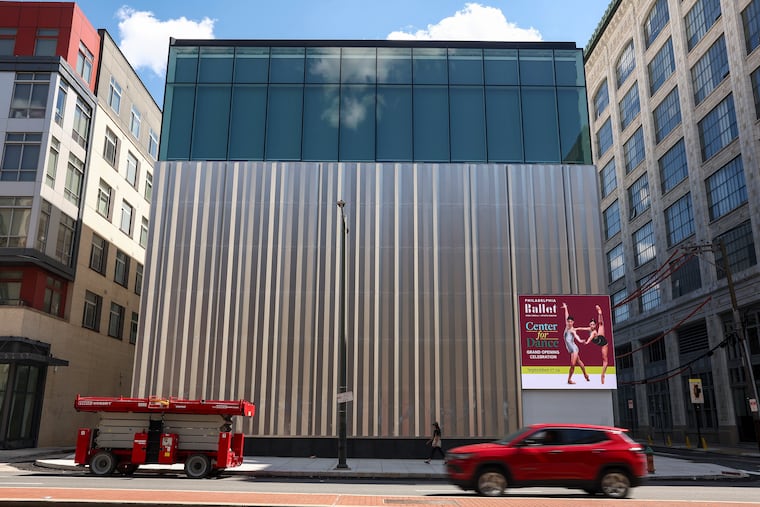
Philadelphia Ballet opens new location on North Broad Street, raising concerns about whether its solid facade will attract or deter visitors.
In recent years, Philadelphia’s cultural landscape has faced significant challenges, dramatically impacting its legacy institutions. Well-established entities such as the Philadelphia History Museum, University of the Arts, and most recently, the Academy of Natural Sciences, have shuttered operations, illustrating the vulnerabilities faced by such organizations amid the evolving arts climate intensified by the pandemic. Changing leisure habits, diminished funding, and a lack of affluent patrons have contributed to this troubling trend.
In response, surviving institutions have intensified efforts to attract new audiences. Notably, the Philadelphia Ballet is set to inaugurate a new facility on September 17, a milestone after nearly two decades of planning and fundraising. The new ballet center, located just north of the Vine Street Expressway, represents a significant addition to the cultural fabric of Broad Street, known as the Avenue of the Arts.
Despite this optimism, the design of the new Philadelphia Ballet Center for Dance raises critical concerns. Architect Stephen Varenhorst has created a million structure equipped with advanced practice facilities and a public performance theater. However, the design has been criticized for lacking engagement with the street. The center features a stark façade on North Broad Street with no street-level windows, an oversight that diminishes its visibility and connection to the community.
The absence of transparency on the ground floor particularly isolates the building from the street atmosphere, which has seen substantial revitalization over the past decade, encompassing new residences and vibrant cultural venues. The ballet’s decision to situate its black box theater without windows further contributes to this disconnect, resulting in an exterior that feels more closed off than inviting.
While Varenhorst’s design includes a unique crimped stainless-steel screen meant to mimic a theater curtain, it ultimately reinforces a perception of exclusivity within the arts community. Activating this blank canvas could prove challenging, as the organization pivots towards efforts of community-building and outreach in a quest to foster greater audience connection.
As cultural leaders recognize the necessity of engaging with the surrounding community, the Philadelphia Ballet’s administrator voices their aspirations. There remains a pressing need to ensure that the building not only serves the ballet’s needs but also stands as an open invitation to the community, laying the groundwork for a richer artistic exchange moving forward. This challenge presents an opportunity for the ballet to reimagine how it can actively contribute to the cultural dialogue in Philadelphia, rather than inadvertently reinforcing boundaries within the arts.
As the ballet prepares for its grand opening, the spotlight will not only be on the physical space they have constructed but also on how they will utilize it to engage audiences and become an integral part of Philadelphia’s flourishing cultural scene. The journey of transformation towards a more inclusive arts environment is just beginning, and the ballet’s active participation will be essential in shaping its future.
Media News Source


