Pennsylvania’s Role in President Trump’s Immigration Enforcement Efforts
In a controversial shift in immigration enforcement strategies, the Trump administration has transitioned the focus of deportation efforts from urban centers to less visible rural regions. This change has seen areas such as Pennsylvania’s coal country become focal points for increased law enforcement collaboration with U.S. Immigration and Customs Enforcement (ICE), transforming small-town police departments into key players in the administration’s deportation strategies.
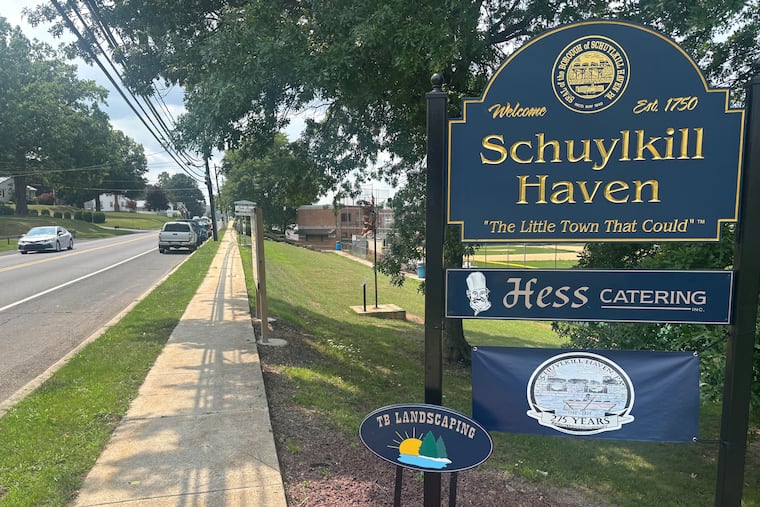
Police departments in Schuylkill County, Pennsylvania, are particularly notable for their integration into these federal initiatives. Instead of ensuring public safety, these local law enforcement agencies are reportedly contributing to an environment of fear through immigration raids and checkpoints that appear to disproportionately target racial minorities. Recent investigations have highlighted the financial incentives provided by the federal government, which have encouraged these police departments to partner with ICE. Reports indicate that approximately 14 police departments in the region have received over .5 million in federal funding to arrest and detain individuals, resulting in over 100 detentions under the 287(g) program, which allows ICE to train local law enforcement to enforce immigration laws.
These efforts have drawn significant scrutiny, particularly as the vast majority of those detained have been found to pose no genuine threat to their communities. Over two-thirds of the individuals arrested under this program in Pennsylvania had no prior criminal history. Instances of lawful U.S. citizens being swept up in these immigration crackdowns have raised serious concerns about the practices being employed, akin to those seen in high-profile immigration protests nationwide.
Nationwide, ICE arrests reached approximately 50,000 in a single month, highlighting the escalation of deportation efforts under this administration. Pennsylvania has emerged as a particularly aggressive collaborator in the enforcement of these measures, trailing only Southern states in the number of arrests linked to ICE initiatives.
While states like New York and Maryland have enacted prohibitions against ICE collaborations with local police, Pennsylvania has not yet followed suit. Efforts by state lawmakers to introduce similar legislation face obstacles due to the Republican-controlled Senate, despite increasing public pushback against these practices. As advocacy for immigrant protections gains momentum, it remains imperative for local and state leaders to actively seek methods to counteract these unprecedented federal immigration efforts. Governor Josh Shapiro has previously committed to using all available resources to block proposed detention centers within the state, signaling a potential route for broader resistance against ICE’s tactics.
As the conversation surrounding immigration and enforcement policies continues to evolve, the implications for community safety, civil rights, and the social fabric of rural America remain profound. It is essential for stakeholders at all levels to prioritize both the protection of vulnerable populations and the integrity of local law enforcement’s role in fostering public trust.