
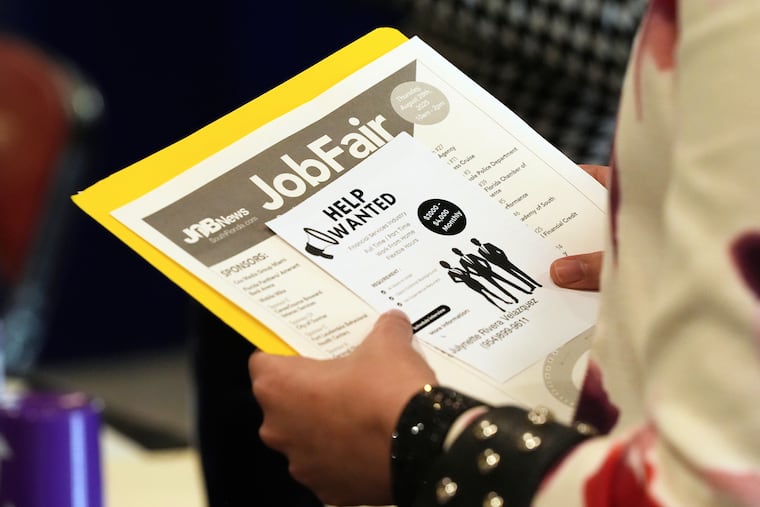
Impact of Job Searching on Mental Health Explored in New Research Findings
The current job market in the United States presents formidable challenges, particularly for those actively seeking employment. Despite low overall unemployment figures, a significant portion of job seekers find themselves trapped in long-term unemployment. According to the Bureau of Labor Statistics, over a quarter of individuals without jobs fall into this category, having searched for work for 27 weeks or longer. As the landscape continues to shift, the difficulties faced by these individuals are amplified by increasing competition.
A recent LinkedIn Research study projects that by 2026, the ratio of job applicants to open positions will be twice as high as it was in 2022. This shift is fostering an atmosphere of discouragement that permeates the job search experience, leaving many feeling disheartened and struggling to maintain hope. The emotional toll that such prolonged searches inflict cannot be underestimated; the interplay of financial stress and diminishing self-worth often leads to significant mental health challenges.
Professionals in the field, such as career counselor Amanda Langer, emphasize that the barriers job seekers encounter often transcend individual qualifications. Each rejection or silence from potential employers can feel like a personal indictment of one’s capabilities. Langer notes that the logistics of a lengthy job search can undermine a person’s confidence and sense of agency, compounding their already precarious financial situations.
Furthermore, research highlights a clear correlation between unemployment and the onset of mental health issues, including anxiety and depression. Mindy Shoss, a professor of industrial and organizational psychology at the University of Central Florida, points out that the emotional repercussions are heightened during the search process. The impersonal nature of online applications—often involving vague “ghost job” postings and the increasing use of automated interviewing technologies—only adds to the sense of alienation from potential career fulfillment.
To counteract the detrimental effects of prolonged unemployment, experts recommend seeking mental health support and creating networks of peers. Engaging with others facing similar struggles can foster an environment of shared understanding, which can be vital for maintaining a positive outlook. Additionally, involvement with career coaches can provide personalized guidance and bespoke strategies tailored to navigate the complexities of the current job market.
Individuals like Mythili Sampathkumar, who have invested in career coaching, find that such support can be transformational. By limiting exposure to discouraging online environments and fostering small personal projects, job seekers can re-establish a sense of purpose and empowerment. The quest for gainful employment remains a daunting endeavor for many; yet, bolstered by community and professional support, hopeful pathways can emerge amidst the uncertainty of the job market.
The ongoing dialogue about the psychological ramifications of job searching is critical. Addressing these challenges not only benefits individuals but also reflects broader societal needs to cultivate resilience and adaptability in an evolving employment landscape.


