
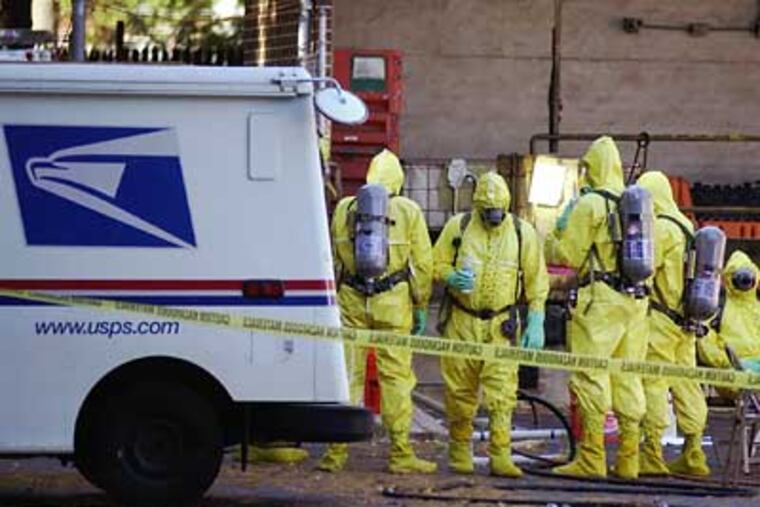
After 25 years, the anthrax threat persists and may have worsened.
In the backdrop of a nation grappling with the aftermath of the September 11 attacks, another insidious threat emerged—letters laced with anthrax spores. In the fall of 2001, these letters, dispatched to news organizations and political figures, resulted in the deaths of five individuals while impacting the health of an additional 17. This incident marked a pivotal moment in American history, revealing the vulnerabilities within a society already on high alert, as it faced the frightening prospect of biological warfare infiltrating everyday life through trusted entities like the U.S. Postal Service.
The anthrax attacks not only ignited public fear but also necessitated a reevaluation of national security strategies. The newly formed Department of Homeland Security found itself confronted not just with the specter of conventional terrorist attacks but with the grim realization that a small amount of a biological agent could instigate widespread terror and disruption. Thus, the parameters of protective measures expanded beyond examining acts of physical aggression to include potential biological threats that could proliferate fear and chaos.
As we observe the 25th anniversary of these attacks, the discourse around biological threats remains as relevant as ever. The Bipartisan Commission on Biodefense at the Atlantic Council underscores that, although some risks persist—such as the mailing of white powder threats, including ricin—modern developments have made biological threats more complex. With significant advancements in biotechnology and artificial intelligence (AI), barriers that once restricted access to specialized biological knowledge have begun to diminish.
AI technologies now enable rapid analysis of vast datasets and enhanced biological discovery. National Academies of Sciences caution that these same innovations can also pave the way for misuse, highlighting the dual-edged nature of progress in life sciences. The efficiency of AI may soon allow individuals or organizations—whether they are rogue actors, terrorist cells, or hostile state entities—to execute sophisticated biotechnological applications with minimal resources.
The inquiry is not about halting biotechnology or the advancement of AI, which yield significant benefits, but rather about proactively addressing the associated risks. There is an urgent need for enhanced oversight of AI applications and strengthened surveillance for synthetic biological materials. Collaborative efforts across various governance levels and sectors must evolve to bolster biodefense mechanisms as integral to national defense.
As America reflects on the lessons learned from the anthrax attacks, the imperative remains clear: future preparations must prioritize vigilance against emerging biological threats, whether they arise organically, accidentally, or through malicious intent. To fail in this endeavor would cost not only lives but future opportunities to safeguard the well-being of the nation.
Media News Source.


