
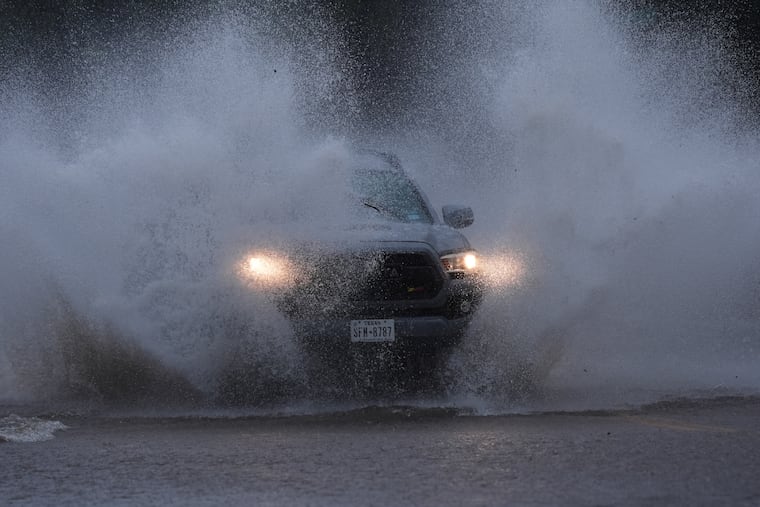
Nation’s stormwater systems insufficiently prepared for upcoming El Niño conditions.
As extreme weather events continue to challenge the integrity of the United States’ stormwater infrastructure, experts are sounding alarms about the inadequacy of systems designed to handle increased rainfall associated with climate change. The confluence of the ongoing super El Niño phenomenon and historically outdated design standards is exacerbating vulnerabilities across the country, posing significant risks to urban and rural communities alike.
Chad Berginnis, the executive director of the Association of State Floodplain Managers, emphasizes that the current infrastructure was not constructed to accommodate the heavier rainfall that climate change is driving. Recent storms have illuminated the deficiencies of existing stormwater management systems, which are at risk of failure during intense weather events.
Recent research conducted by Headwaters Economics highlights that approximately two-thirds of the nation’s more than 6 million culverts—vital structures that allow waterways to pass beneath roads—are situated in states that adhere to outdated design standards. The American Society of Civil Engineers has rated the nation’s stormwater infrastructure with a “D,” indicating that the urgency to replace aging facilities frequently surpasses local capabilities.
In regions like the American Southwest, the impacts of El Niño have already been felt, resulting in an unusually wet monsoon season. The Navajo Nation, for instance, faced deadly flash floods that caused significant road damage and necessitated extensive evacuations. Sheila Clyde of the Navajo Nation’s emergency operations center reported that numerous dirt roads were compromised, with some areas experiencing multiple pipe washouts within short stretches. The historical integrity of multidecade-old systems has been severely tested.
Engineering experts assert that many stormwater management guidelines are based on outdated data that do not reflect recent rainfall patterns or future climate projections. Bridget Mitchell, a civil engineer, notes that the existing culverts are inadequate for the floods anticipated due to climate change and emphasizes the importance of modernizing these structures.
While modernizing flood management systems could significantly reduce long-term maintenance costs and enhance resilience against floods, many municipalities nationwide struggle to secure the funding necessary for such improvements. In cities like San Diego, the financial needs for bolstering stormwater infrastructure now exceed billion, as older drainage systems fail to meet current demands.
As the effects of climate change manifest in increasingly severe weather patterns, the need for updated stormwater management systems is more pressing than ever. Regions already stricken by drought, such as southern New Mexico, are seeing how rapid water influx can breach levees and threaten lives and property, leading to further public safety concerns. Experts are advocating for urgent action to adapt and modernize infrastructure to withstand the pressures of a changing climate and the accompanying extreme weather patterns.
Proper investment in resilient infrastructure will not only safeguard communities but may also prove more economical in the long run by reducing the high costs associated with disaster response and recovery.


