
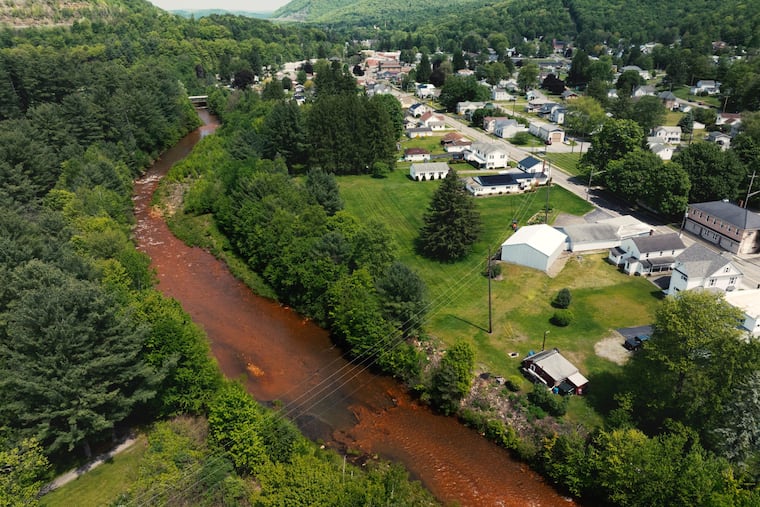
Tioga River in Pennsylvania faces severe ecological decline, transitioning from a once-vibrant ecosystem to a nearly lifeless waterway.
As the sun shines down on the Tioga River, it reflects a vibrant scene enriched by nature’s flora and fauna. However, an unsettling truth lies beneath its surface: this picturesque waterway, which flows through Blossburg, Pennsylvania, has suffered decades of ecological damage largely due to acid mine drainage. Once a lively river teeming with aquatic life, the Tioga now presents a stark contrast, with its waters almost devoid of any fish or macroinvertebrate populations.
The picturesque landscape, alive with wildlife along the banks, masks a profound ecological crisis. Throughout its journey, which culminates in the Chemung River after traversing north for 58 miles into New York, the Tioga River has been severely affected by acidic runoff from five abandoned coal mines. These wells, left unsealed as production ceased, leach metals such as iron and aluminum into the water, creating inhospitable conditions for aquatic organisms. As of recent studies, abandoned coal mines have damaged over 850,000 acres nationwide, with a staggering 84% of those areas located in Appalachia.
Andrew King, the mine drainage program coordinator at the Susquehanna River Basin Commission, describes the river as lifeless. Yet optimism prevails among local stakeholders, engineers, and residents who are collaborating on a substantial remediation project. This initiative aims to construct a treatment facility capable of revitalizing the river and restoring native fish populations such as brook and brown trout. The plan envisions the Tioga becoming a vibrant destination for outdoor recreation by 2029, significantly transforming the ecological landscape.
The undertaking is rooted in over two decades of advocacy, driven by concerned local citizens like Charlie and Joyce Andrews from the Tioga County Concerned Citizens Committee. Their grassroots efforts have garnered sufficient political and financial backing, including a pivotal million grant from the bipartisan Infrastructure Investment and Jobs Act to fund expansive treatment processes.
Despite challenges, including recent congressional reallocations that could hinder funding for cleanup efforts, the community remains steadfast in its commitment to restore the Tioga River. As local officials, such as Tioga County Commissioner Shane Nickerson, work tirelessly to address not only ecological rehabilitation but also economic revitalization, there is hope for renewed prosperity in this historically rich area. They reflect on the pollution that shadows their community, pointing out an intrinsic connection between industry, environmental neglect, and the relentless struggle for recovery and renewal.
Increased community involvement and a diverse coalition of stakeholders may ultimately yield a cleaner, healthier ecosystem, promising a future where the Tioga River is once again brimming with life. Residents eagerly await a time when families might once again fish its waters, reconnecting with a legacy that honors both nature and the historical significance of coal mining in the region. The prospects for a rehabilitated Tioga River indicate a shift not only towards ecological recovery but also towards a renewed sense of community resilience and economic potential.


