Final plans for Trump’s arch abandon his ‘military complex’ proposal.
The Trump administration unveiled revised plans for a proposed 250-foot-tall triumphal arch, an initiative that has sparked significant debate regarding its intended purpose and potential implications. The latest documentation, released by the National Capital Planning Commission—a federal panel overseeing major construction projects—does not incorporate any military features, such as drones or snipers, which President Trump previously indicated might be included.
The Interior Department, tasked with managing the arch project, has instead focused on its potential as a tourist attraction and venue for ceremonial activities. New renderings and documents made available on Friday emphasize plans for public engagement over military applications. When questioned about the apparent shift in the project’s direction, a White House spokesperson defended the original proposals while denying any changes had occurred in the administration’s vision for the arch. This statement came despite a lack of specific military functions mentioned in the revised plans.
Katie Martin, a spokesperson for the Interior Department, asserted that the current design is equipped to support any national security-related activities, as previously suggested by the President. The National Capital Planning Commission is poised to review these updated plans and render a decision during a hearing scheduled for November 5. Changes under consideration include the transformation of a torch atop the structure into an “eternal flame” and modifications to lighting and traffic patterns in the surrounding area.
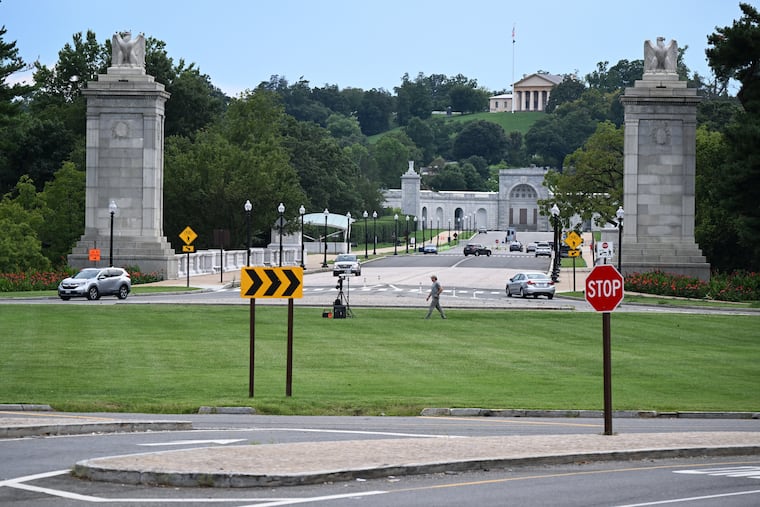
The project has faced opposition from various groups, including military veterans, local leaders, and historic preservationists. Critics argue that the arch’s size could overshadow the nearby Arlington National Cemetery, and express concerns about safety risks associated with the drone operations in the vicinity of Reagan National Airport. A federal judge is currently deliberating whether to impose an injunction against construction based on these concerns.
Initial proposals suggested the arch would serve as a tourist attraction, yet recent claims from Trump have framed the project as a military complex. This aligns with his past rhetoric regarding the construction of facilities like the White House ballroom, which he also depicted as a necessity for national security. The ongoing legal dispute involves three Vietnam War veterans and a historic preservationist, who contend that the arch would detrimentally impact their visits to the military cemetery.
U.S. District Judge Tanya S. Chutkan, reviewing the case brought forward by the veterans, has cautioned the administration against proceeding with construction prior to formal approvals. Interior Secretary Doug Burgum emphasized that a conclusive decision regarding the project would await the outcome of the National Capital Planning Commission’s review process. As discussions around this ambitious undertaking continue, stakeholders remain vigilant about both its implications and its place within the historic landscape of Washington, D.C.
Media News Source