
Rowhouse Collapse Next Door: Key Insights and Safety Considerations for Homeowners
In North Philadelphia, an alarming incident recently underscored the urgent issue of abandoned rowhouses and their potential hazards for nearby residents. What appeared to be an ordinary brick rowhouse on a typical residential street revealed, upon closer investigation, a shocking reality. A local family living adjacent to an unkempt property discovered that the rear wall of the abandoned house had partially collapsed, sending debris tumbling into their backyard. This startling scene prompted concerns not only for their safety but also for the broader implications of neglected properties across the city.
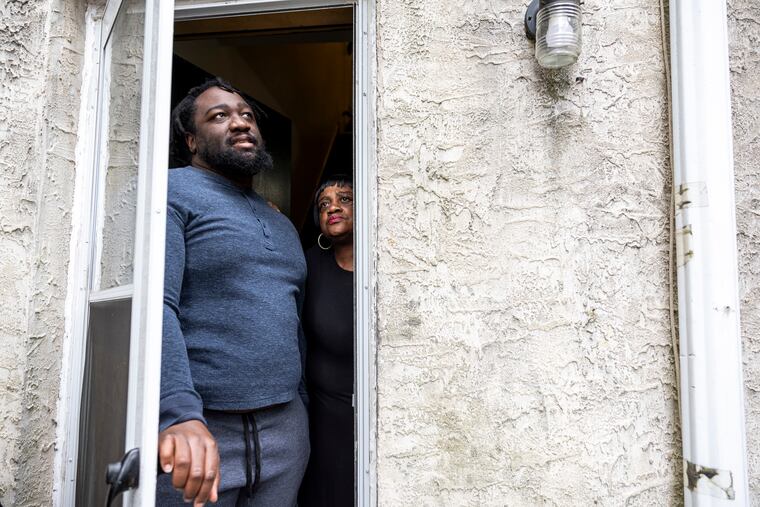
The situation faced by the Jackson family, who reside in the affected home, serves as a stark illustration of the dangers associated with Philadelphia’s vacant rowhouses. With bricks, wood, and glass from the abandoned structure littering their garden, the Jacksons have borne the consequences of neglect. Despite their previous complaints to city officials about the deteriorating conditions of the property next door, the collapse elevated their plight to new levels, leading city authorities to declare the abandoned house “imminently dangerous” and mark it for demolition.
The issue of abandoned homes is not isolated to the Jacksons. Numerous neighborhoods in Philadelphia grapple with similar scenarios where properties have been deserted for various reasons, leaving neighboring homeowners to navigate the resulting ramifications. The city’s struggle with vacant properties has become increasingly apparent, highlighting the need for effective policies and solutions to address these risks to community safety and property values.
Beyond the immediate dangers posed by dilapidated structures, this situation sheds light on broader concerns in the Philadelphia real estate landscape. In April, the regional housing market exhibited signs of transition, with an increase in the number of homes for sale and a lengthening of time those homes spent on the market. While the median sales price rose to 3,000, an uptick of 5.5% from the previous year, consumer hesitation amidst rising economic concerns remains palpable.
As more buyers express anxiety over market stability, industry experts stress the importance of increased inventory and economic confidence for housing stability. While improvement in mortgage rates offers some relief, the overarching challenge remains ensuring neighborhood safety and property integrity amid the persistent issue of abandoned homes. The Jackson family’s experience is a poignant reminder of the urgent need for collaborative efforts to revitalize neglected properties and safeguard communities throughout Philadelphia.
As discussions around vacant properties and their impacts unfold, stakeholders must consider comprehensive strategies that not only address immediate safety concerns but also foster sustainable development and community resilience.


