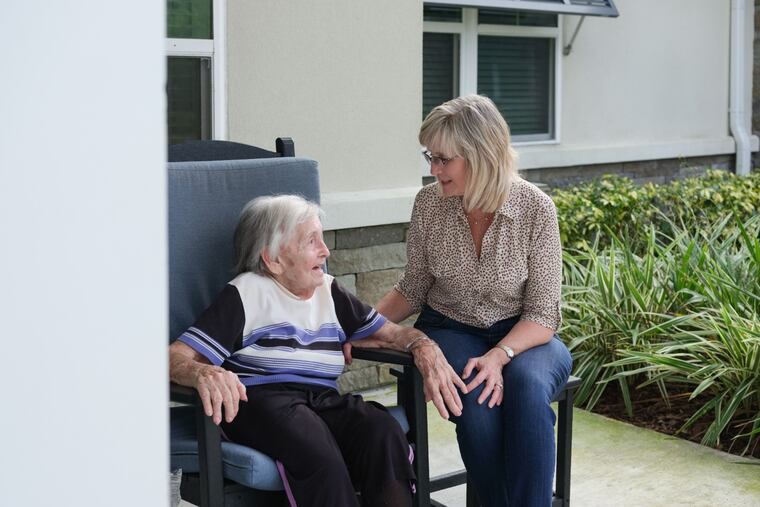
Caring for a mother as a family is challenging, especially when sharing responsibilities among siblings.
In the complex dynamics of family caregiving, sibling rivalries often surface, particularly when adult children are tasked with the responsibility of caring for an aging parent. Clinical psychologists specializing in geriatric care report that conflicts among siblings can escalate, revealing profound emotional undercurrents and unresolved issues that can significantly complicate caregiving scenarios.
In various cases, these familial tensions manifest vividly. One notable scenario involves a 55-year-old Italian American woman who, having moved in to care for her 81-year-old mother, feels bitterness towards her neglectful older brother. Despite her tireless efforts, the mother seems to favor her brother, taking for granted the daughter’s daily sacrifices. Another case highlights a 40-year-old daughter, the youngest of three siblings, who becomes frustrated by her older sisters living out of state. They attempt to dictate her actions during medical appointments, treating her as the clueless child rather than an equal partner in caregiving.
The underlying reasons for sibling disputes during caregiving are multifaceted. Although siblings share a common goal of ensuring their parent’s well-being, they often disagree on the appropriate methods of care. For instance, disagreements commonly arise over whether to seek immediate medical evaluations for a declining parent or to allow them the autonomy to identify when they need help. Such differences in opinion can lead to siblings perceiving each other as adversaries rather than allies.
Moreover, the transition from childhood to adulthood often leaves unresolved competition and rivalry, which now resurfaces as siblings reunite under the stress of caregiving. In many cases, geographical distance leads those living far from the parent to exert authority over their more present siblings, often resulting in resentment. Complicating matters further are gender expectations, where sisters may feel obligated to assume the majority of caregiving responsibilities while brothers may default to lesser involvement.
Despite these challenges, it is possible for siblings to collaborate effectively in caregiving roles. Creating a unified approach involves establishing clear communication channels. For instance, sharing medical information ensures that all siblings are informed and can make consistent decisions. It can also be productive to hold regular discussions about their parent’s needs and to gather collective input on care decisions.
Ultimately, the way siblings navigate these challenges can have long-lasting implications for their relationships. Conflict, if managed constructively, can foster stronger bonds and mutual respect, enhancing family ties even in the wake of caregiving. Siblings are encouraged to be mindful of their behavior during this emotional time, understanding that their interactions today can shape their familial relationships for years to come.
As they navigate this difficult journey, many siblings are motivated by a shared desire to maintain strong familial connections, recognizing that the impact of caregiving extends far beyond the immediate responsibility of caring for an aging parent.
Media News Source.