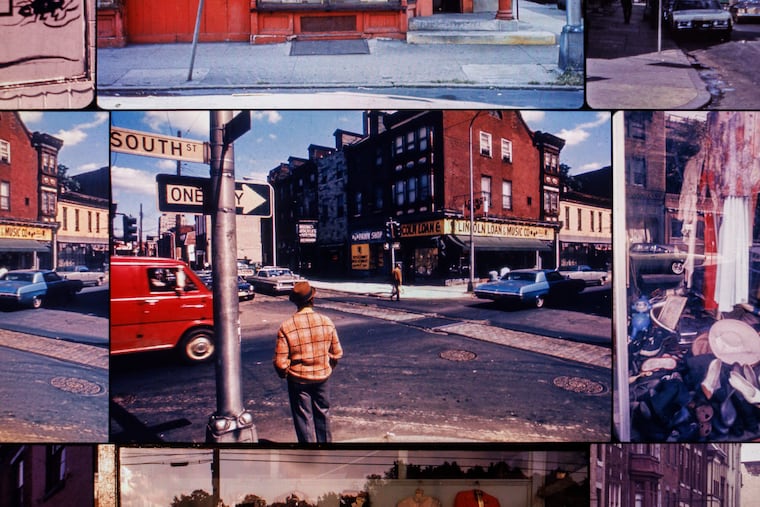
Philly narrowly avoids a costly mistake regarding the highway infrastructure project.
Philadelphia Primary Election Reports Low Voter Turnout; Historical Urban Planning Debates Resurface
In a notable turn of events, polling workers across Philadelphia reported a markedly low turnout for Tuesday’s primary election, describing the response as “very slow.” Some poll workers noted that this was the slowest turnout they had witnessed in their time serving at the polls. Despite the underwhelming participation, the election proceeded, and results are now available for public review.
Amid broader discussions of urban development and infrastructural changes, a significant story revisits the controversy surrounding the proposed Crosstown Expressway, a long-debated initiative that sought to connect key roadways while displacing numerous historic neighborhoods. This initiative, proposed over six decades ago, ultimately faced fierce resistance from local residents, including grassroots activists led by individuals from the affected communities. The proposal, if enacted, would have razed homes and businesses stretching from South to Bainbridge Streets, effectively creating a devastating barrier between Center City and South Philadelphia.
Proponents of the expressway argued that it would enhance accessibility for suburban commuters, aligning with mid-20th century objectives to improve urban traffic flow. However, opponents contended that this development would have catastrophic consequences for the neighborhoods in its path. Following an extensive and contentious debate, city officials ultimately abandoned the project, allowing Philadelphia’s diverse communities to flourish in the years that followed.
Critically, the rejection of the Crosstown Expressway has become a lens through which current city leaders assess the ongoing challenges of traffic congestion and urban planning. Recent efforts to bridge gaps left by earlier infrastructural decisions include initiatives such as the 8 million Chinatown Stitch and the 0 million I-95 cap at Penn’s Landing, aimed at mitigating the civic damage caused by previous constructions.
In related news, a retired nurse made headlines after canceling a surgery at Temple Hospital upon being questioned about her citizenship status during check-in. While hospital officials claimed the inquiry was a mistake, the incident underscores the potential chilling effect such questions may have, especially on undocumented individuals seeking medical care. This situation emerges against the backdrop of heightened scrutiny regarding immigration enforcement and the role of healthcare institutions.
As Philadelphia moves forward, the outcomes of this week’s election and the reverberations of historical infrastructure debates continue to shape both community dynamics and local governance.
For more details and in-depth reports on these topics, refer to coverage from Media News Source.