
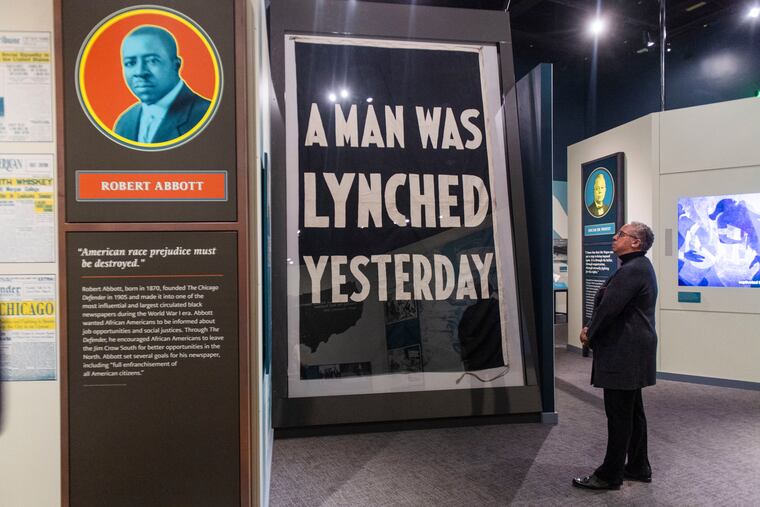
New museum dedicated to African American history and culture opens to the public.
The ongoing complexities of the economic landscape are prompting significant shifts in consumer behavior across various industries. Recent analyses indicate that as inflation continues to impact disposable incomes, consumers are increasingly prioritizing value over brand loyalty. This evolving trend is particularly evident in sectors such as food and retail, where price sensitivity has become a critical factor in purchasing decisions.
According to recent data, consumers are gravitating toward budget-friendly options, often opting for generic or store-brand products instead of premium labels. Retailers have responded by amplifying their efforts to showcase value-oriented offerings, including promotional discounts and loyalty programs, designed to attract cost-conscious shoppers. This shift underscores a broader movement where consumers weigh the value received against the monetary cost, leading to a fundamental recalibration of retail strategies.
Moreover, the effects of rising interest rates and ongoing supply chain disruptions are compelling businesses to reassess their operational tactics. For many companies, adapting to this new consumer landscape entails not only revising pricing strategies but also enhancing the overall customer experience. Emphasis is being placed on delivering a seamless shopping experience whether online or in physical stores, with many companies investing in technology to facilitate smoother transactions and personalized customer engagement.
Additionally, insights reveal that consumers are exhibiting a heightened awareness of sustainability and ethical sourcing. Many individuals are favoring brands that align with their values, prioritizing products that are environmentally friendly or ethically produced. This conscientiousness is driving brands to adopt more transparent supply chains and sustainable practices to meet shifting consumer expectations.
The implications of these trends are profound for businesses in every sector. As the economy continues to evolve, companies that successfully adapt to the challenges of inflation and changing consumer preferences will likely emerge stronger. This ongoing transformation will necessitate not just responsive pricing strategies, but a comprehensive rethinking of how brands engage with consumers on a deeper level.
In essence, the current economic environment serves as both a challenge and an opportunity for businesses. With informed strategies and a willingness to innovate, companies can navigate these turbulent waters and cultivate deeper loyalty among a new generation of consumers.
Media News Source


