Main Line’s investment in walkable, transit-oriented development raises concerns about potential impacts if train services cease.
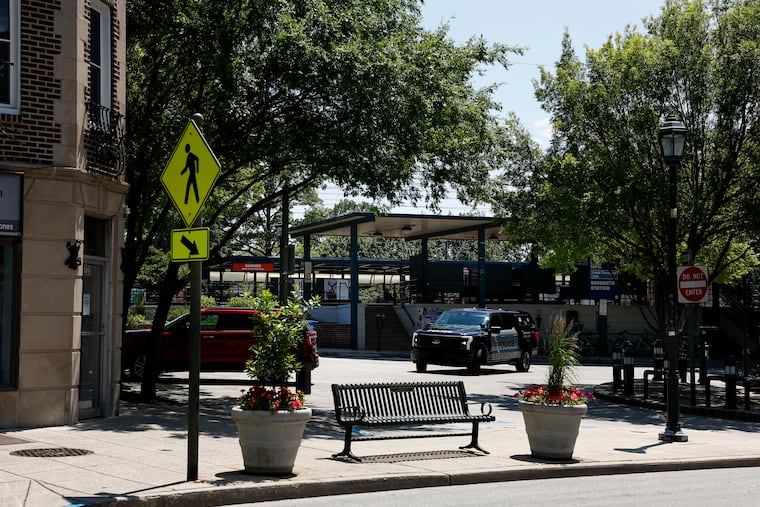
In the quaint borough of Narberth, Pennsylvania, a palpable charm is evident amidst its bustling coffee shops and open storefronts, set against a backdrop of a population of approximately 4,400 residents. This suburban enclave, nestled within the renowned Main Line region, has long attracted families and visitors drawn to its serene and inviting ambiance. Recently, however, local stakeholders have embarked on a significant initiative to promote transit-oriented development, a strategic framework designed to cultivate a mix of residential, commercial, and recreational spaces within walkable distances of public transportation.
Transit-oriented development in Narberth and neighboring Lower Merion aims to revitalize communities by leveraging proximity to SEPTA’s Paoli/Thorndale Line, as well as several bus routes that traverse the area. This planning model emphasizes creating pedestrian-friendly environments conducive to economic and social interaction. Such efforts have seen success in nearby Ardmore, where multifamily housing and new retail businesses have emerged, revitalizing the local economy and enhancing living conditions.
Nevertheless, the future of these revitalization projects hangs in the balance due to potential budget cuts to SEPTA. Proposed reductions threaten to eliminate the Paoli/Thorndale Line, crucial for numerous Main Line towns, as well as the bus routes serving both Lower Merion and Narberth. As communities have geared their development strategies around reliable transit access, the implications of these cuts raise critical concerns about continued investment and growth.
In Lower Merion, the director of building and planning, Chris Leswing, notes that transit-oriented development introduces diverse amenities—such as art galleries, dining options, and shopping venues—creating dynamic spaces for residents and visitors alike. The initiative caters to both suburban dwellers seeking local experiences and city residents looking for accessible escapes.
Statistical insights reveal the profound economic impact of SEPTA, contributing 8 million to Montgomery County between 2015 and 2019. However, a sharp decline in ridership following the COVID-19 pandemic has made the future uncertain. In 2019, the Paoli/Thorndale Line served nearly 6.2 million riders, with annual revenues surpassing million, but these figures plummeted during the pandemic. By 2024, ridership rebounded to approximately 2.9 million, generating million in revenue.
Despite the strategic advantages offered by transit-oriented development, its acceptance is not universally embraced. Recent community meetings in Narberth spotlighted public hesitance regarding new multifamily projects, driven by concerns about property values and the preservation of the town’s character. Critics argue that while these initiatives diversify the housing supply, they may not inherently enhance affordability—highlighted by the high rental prices in new developments.
As Narberth grapples with potential changes to its transit system and ongoing debates over development, the future of its community remains at a pivotal juncture. Stakeholders emphasize that the success of transit-oriented development must withstand the challenges posed by potential SEPTA cutbacks, while simultaneously addressing the desires and concerns of local residents. The evolving landscape of the Main Line may redefine the experience of its residents, underscoring the importance of access to reliable public transportation in shaping vibrant, sustainable communities.
Ultimately, as communities navigate these complexities, the focus will remain on fostering environments that enrich the lives of their residents while leapfrogging potential setbacks from external factors such as service cuts.