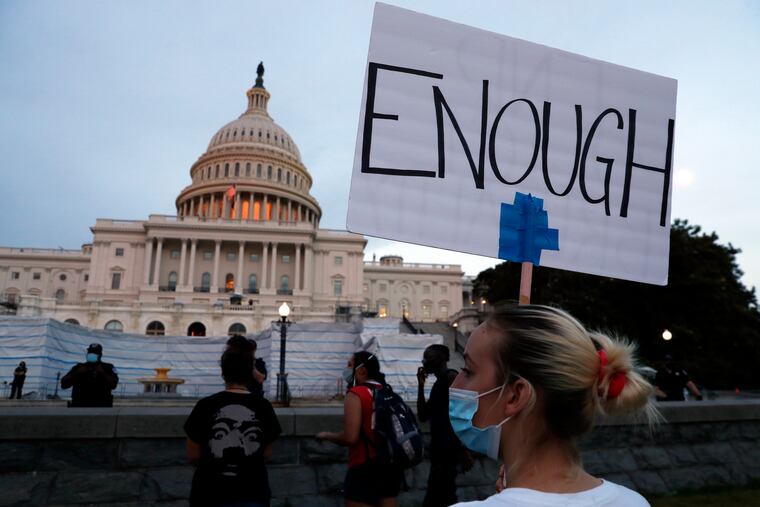
Youth shaped by COVID-19 and George Floyd’s death now face the challenge of protesting against a potential Trump re-election.
In the wake of the events of 2020, marked by the COVID-19 pandemic and social unrest surrounding racial justice, many young adults found themselves grappling with the complexities of an increasingly challenging world. This generational cohort, which matured amid tumultuous change, experienced a mixture of anger, determination, and hope in response to systemic issues such as police brutality and healthcare inequalities.
The societal landscape has evolved in the years since, particularly for those venturing into professions such as medicine. Today, students and healthcare professionals face an academic environment fraught with restrictions, including limitations on research topics and funding, particularly concerning immigration issues. Across the United States, healthcare institutions have come under scrutiny, resulting in increasingly hostile conditions for those willing to advocate for reforms.
For many, these circumstances can feel disheartening. As medical students remain hopeful for systemic transformation, they often find themselves disillusioned by an environment that seems resistant to change. Educational aspirations can feel threatened by the weight of institutional inertia, leaving students to navigate a landscape where the progress made over years appears jeopardized.
These sentiments are compounded by a broader societal anxiety, reflective of a profound existential dread. This generation has become accustomed to living under the looming specter of climate change, public health crises, and socio-political upheaval. The burden of collective memory weighs heavily on students who question whether they will witness the same history unfold again.
Indeed, parallels can be drawn to the struggles faced by prior generations during periods of war and economic turbulence. The isolation and uncertainties of today’s youth echo the sentiments expressed by those who endured similar trials in the past. History reveals moments of resilience, particularly among collective movements that have sought social justice and equality.
History is a source of solace, particularly stories that showcase grassroots initiatives addressing community needs. For instance, organizations inspired by the humanitarian efforts of the Black Panthers have emerged, creating networks of support to combat food insecurity and provide essential services to marginalized populations. These local initiatives reflect an intrinsic understanding that meaningful change often begins at the community level.
In Philadelphia, community-driven efforts—such as the South Philadelphia Community Fridge program—exemplify the spirit of mutual aid and neighborly support. Volunteers collaborate to stock and maintain fridges that serve anyone in need, reinforcing the notion that communities can uplift one another in times of crisis.
Through engagement in initiatives like Philadelphia’s Point-in-Time Count, which documents homelessness in the city, volunteers encounter firsthand the realities faced by vulnerable populations. Such experiences serve as reminders of the critical importance of empathy and sustained activism.
While macro-level political forces continue to shape the landscape of social justice, the potential for micro-level interactions to foster change cannot be overlooked. Individual acts of kindness and solidarity have historically played pivotal roles in maintaining community health and resilience despite systemic barriers.
Ultimately, the lessons learned from both collective histories and local initiatives offer a beacon of hope. Stakeholders within the healthcare system and beyond must commit to showing up, fostering connection, and advocating for those whose voices are often silenced. These actions could illuminate pathways for rejuvenation and progress despite the prevailing challenges, marking significant steps toward a more equitable future.
As this generation of students steps into their roles as future leaders in medicine and beyond, their capacity to effect change could hinge on their readiness to engage actively with the societal issues at hand. The journey promises to be arduous, but it is one that holds the potential for profound impact.