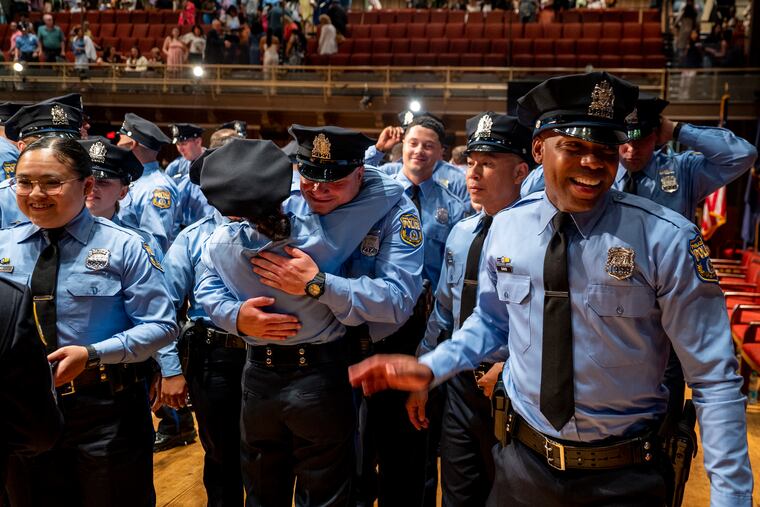
Philadelphia police are updating their uniforms, transitioning from baby blue, but the change has sparked mixed reactions among the community.
The Philadelphia Police Department (PPD) is set to transition from its traditional powder blue uniform tops to a new midnight navy blue design, a move described as part of an initiative to honor the department’s historical roots while modernizing its image. This announcement was made by Sergeant Eric Gripp, who emphasized that the darker hue reflects the traditional uniforms worn by PPD officers for over a century before the switch to lighter colors in the 1970s.
The department is currently working on measuring officers for the new uniforms, which are expected to be unveiled this fall. This change will result in a financial investment of approximately .3 million, funded by unspent surplus from the previous year’s police budget. The overall police budget for the fiscal year beginning in July exceeds 0 million.
Uniform color and design are not merely aesthetic choices; they can play a critical role in shaping public perception and community relations. A past academic study indicated that police wearing light blue uniforms were more likely to be perceived positively, with respondents associating the color with qualities like friendliness and honesty. In contrast, while darker uniforms project professionalism and stability, they may not foster the same sense of approachability.
Despite potential concerns regarding the color transition, particularly from firefighters and paramedics who already wear navy blue uniforms, Gripp reassured that the distinction between the two services will remain clear due to identifiable gear such as police duty belts and distinctive firefighter helmets.
The changes to the PPD uniform are not limited to color. In addition to the new shirts, corporals will begin wearing white shirts, previously designated for sergeants and higher-ranking officials. This adjustment aims to create recognizable differentiation among ranks. For the first time in 25 years, all officers will also receive blouse coats for formal occasions, reinstating a practice that had been discontinued in 2000.
Historically, the association of blue uniforms with police work traces back to early 19th-century England. This choice was partly influenced by the desire to differentiate police forces from military personnel. The shift in Philadelphia’s uniform colors reflects broader trends in policing and community relations over the decades.
As the PPD prepares for this transition, it will maintain the availability of powder blue shirts, which will be reserved for ceremonial occasions. This decision ensures that the department honors its legacy while embracing a forward-looking approach.
Moving forward, it remains to be seen how these changes will affect the relationship between law enforcement and the community, and whether they will untangle the complexities of perception surrounding police visibility in urban environments.
Media News Source