
A century-old rose bush cut during a nighttime theft in Germantown has made a successful recovery two years later.
In recent months, the tausendschön rose of Wyck Historic House and Garden has garnered significant attention following its triumphant resurgence after a distressing incident. This notable climbing rose, situated in Philadelphia’s Germantown neighborhood and known for its stunning display of delicate pink flowers, faced a traumatic event last summer when a poacher vandalized the garden by trimming off approximately four feet of its plant material with dull pruners. The act not only left the rose bush severely compromised but also raised concerns among the caretakers about its long-term recovery.
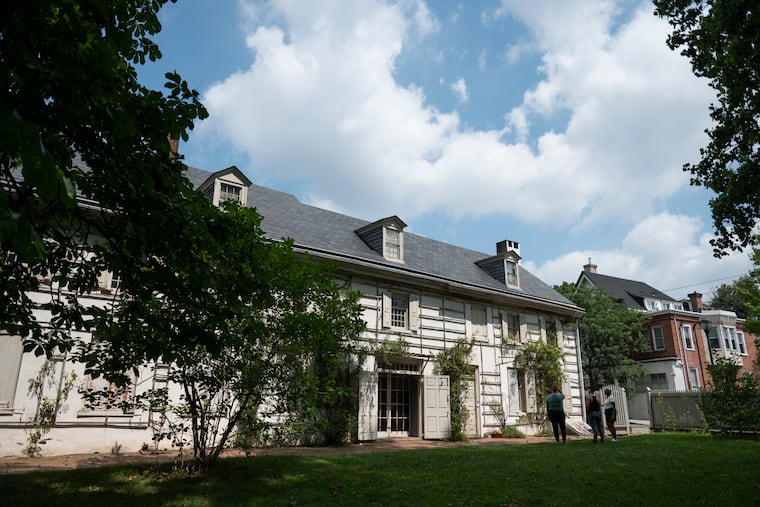
Kim Staub, the executive director of Wyck, described the rose’s condition as grave after the incident. The tausendschön, a plant steeped in history and beauty, is a major attraction at the garden, drawing visitors to its colonial structure, where it dramatically ascends over the entrance. Anticipating a prolonged period of recovery, staff members took meticulous steps to nurse the beloved plant back to health.
By May of this year, however, the tausendschön defied expectations. It unveiled a vibrant array of blossoms, signaling a remarkable recovery and an embodiment of its name, which translates to “a thousand beauties.” The rose produced numerous clusters of small, enchanting pink flowers, much to the delight of the garden’s caretakers. This resurgence has sparked hopes among horticulturists at Wyck for further blooms later in the summer—an impressive feat considering the plant’s previous struggles.
Originally planted in the 1910s by Jane Bowne Haines, a significant figure in the Quaker community and a pioneer in educational reform, the tausendschön is among the oldest specimens in the nation’s premier rose garden, which retains its original layout from as early as 1821. Despite its storied history, the recent theft marked an unprecedented breach of security for the garden.
The recovery efforts involved careful monitoring for mold and the application of fertilizer, aided by a community that remains invested in the garden’s well-being. Staub noted that the tale of the vandalized rose has continued to inspire curiosity among visitors, frequently prompting questions about its status and remarkable comeback.
As the Wyck Historic House undergoes a planned exterior restoration, the garden staff will delicately detach the tausendschön from its trellis to facilitate the repairs, with the intention of retying it once the work is completed. While the plant has shown promising signs of recovery, Jackson Warren, Wyck’s manager of living collections, cautioned that it may take upwards of five years for the rose to return to its original size due to the substantial loss of woody growth during the theft.
The saga of the tausendschön serves as a testament to resilience in nature, reflecting both the plant’s historical significance and the dedicated efforts of its caretakers. The continued flourishing of this iconic rose not only adds to Wyck’s legacy but also emphasizes the importance of conservation efforts in preserving such irreplaceable natural treasures.


