
Philadelphia cancer centers collaborate with community to address cancer disparities.
In the wake of actor Chadwick Boseman’s untimely death due to colon cancer, Rev. Leroy Miles of Enon Tabernacle Baptist Church in North Philadelphia recognized the pressing health disparities affecting the African American community. Alarmed by the pronounced inequities in colorectal cancer outcomes, he sought to address the disproportionate health risks that African Americans face. Statistics indicate that this demographic is 20% more likely to be diagnosed with colorectal cancer and 40% more likely to succumb to it compared to their counterparts in other racial groups.
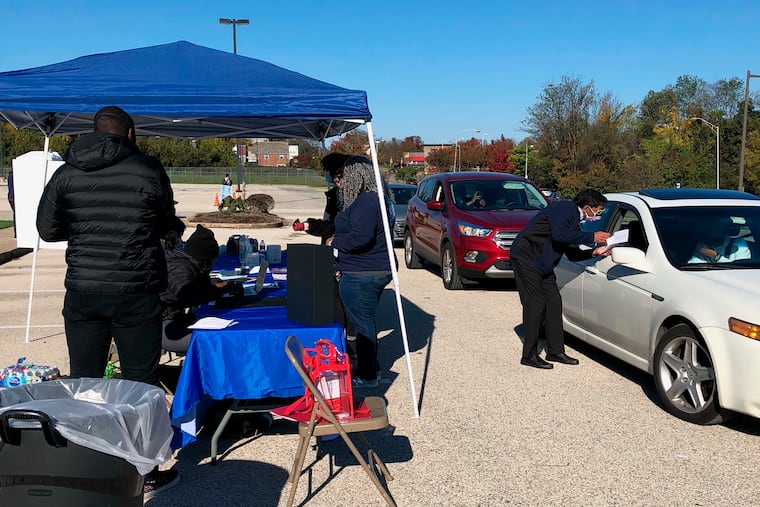
The COVID-19 pandemic exacerbated these disparities, impeding preventive health measures such as routine screenings for colorectal cancer. As part of an initiative to rectify this situation, Miles collaborated with Carmen Guerra, an internist and health equity researcher at Penn Medicine. Together, they launched a drive-through mini-clinic aimed at facilitating early detection of colorectal cancer within their community. Participants could pick up at-home tests designed to detect hidden blood, an early indicator of potential polyps or cancer in the colon.
The inaugural distribution yielded significant results, with 154 tests returned, of which 13 were positive for hidden blood. This partnership was prominently featured at the recent Philadelphia Communities Conquering Cancer (PC3) conference, where it was presented as a promising model for addressing cancer disparities in the city.
Established in 2021, PC3 represents a strategic coalition formed by Philadelphia’s three health systems with federally designated comprehensive cancer centers: the Abramson Cancer Center at Penn Medicine, the Sidney Kimmel Cancer Center at Jefferson Health, and Fox Chase Cancer Center at Temple University. The coalition’s mission is to confront and mitigate the cancer disparities affecting various communities within Philadelphia.
At the PC3 conference, health advocates and researchers, including community leaders like Miles, gathered to foster trust and collaboration. Engaging local figures can alleviate community hesitations toward healthcare participation, particularly amid historical injustices faced by marginalized groups.
Furthermore, the conference spotlighted other community-driven initiatives, including a joint effort focusing on the HTLV-1 virus, linked to adult T-cell leukemia. Led by Sean Reilly from the Sidney Kimmel Cancer Center, this outreach targeted Philadelphia’s African and Caribbean populations to raise awareness about the virus and promote preventive measures.
Additionally, collaboration between researchers and local organizations has enabled discussions about smoking cessation in North Philadelphia, exemplified by events held at Zion Baptist Church that combine community dinners and informative discussions. Facilitated by Khadijah Mitchell of Fox Chase Cancer Center and Amelia Price of Called to Serve, these sessions aim to empower individuals to share personal stories and promote healthier lifestyles.
As community ambassadors like Robin Evans continue to share their own experiences with cancer, the emphasis remains on enhancing participation in clinical trials and fostering a culture of trust. The need for transparency and engagement is essential in overcoming historical barriers and achieving equity in cancer care.
Going forward, it is imperative for communities, healthcare organizations, and researchers to prioritize collaborative approaches that not only address immediate health concerns but also build long-lasting relationships founded on trust and mutual respect. By tapping into local resources and actively involving community members in health initiatives, these collaborative efforts hold the potential to significantly reduce cancer disparities in Philadelphia and beyond.
Media News Source


