Northeast Philadelphia families still await assistance after plane crash damages homes and businesses. Relief efforts have been slower than expected.
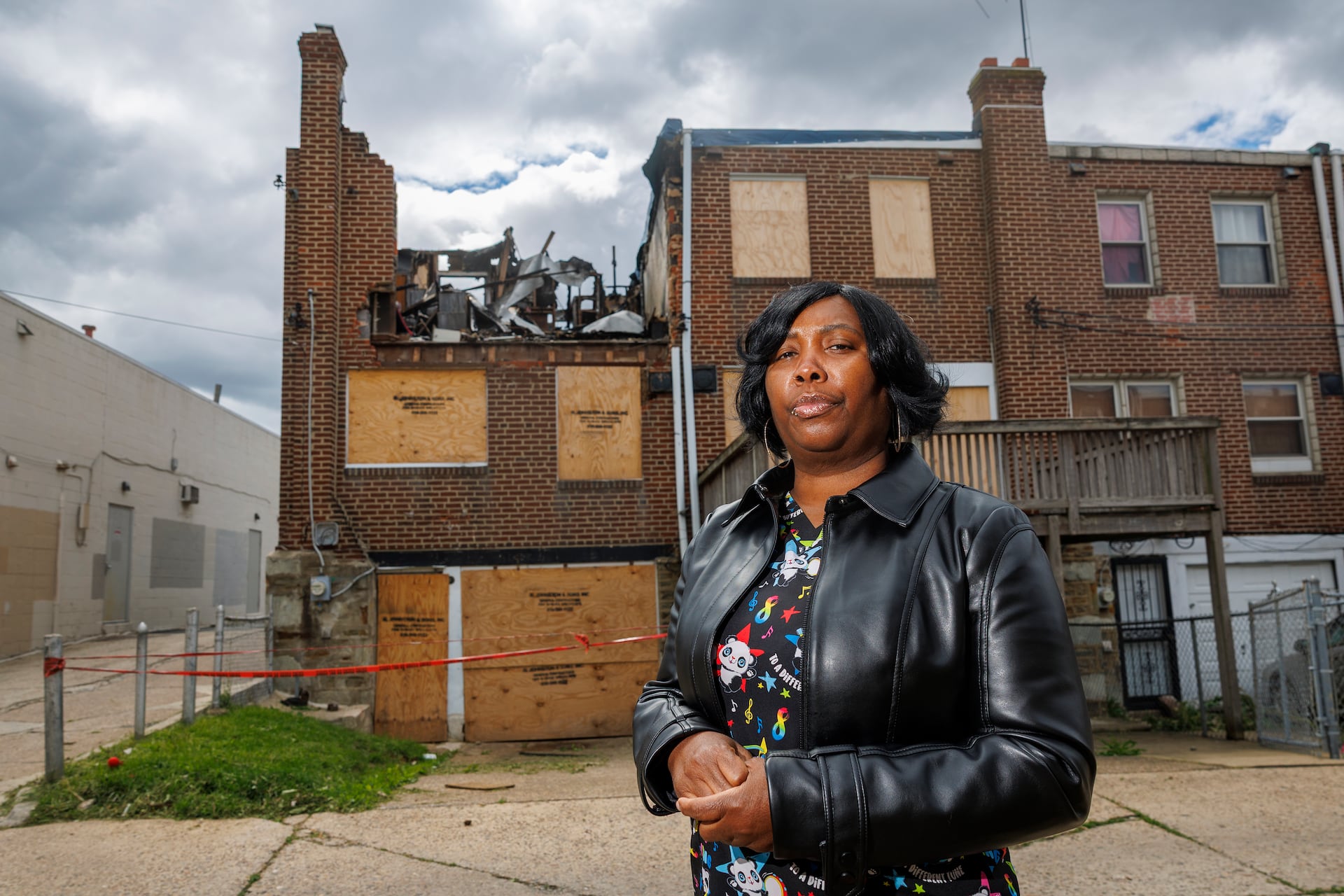
Rupert Street in Northeast Philadelphia stands as a solemn reminder of the devastating plane crash that occurred nearly five months ago. On a recent Saturday, the street was strikingly quiet, lacking the usual signs of neighborhood life: children playing, grills sizzling, or neighbors enjoying time together on their porches. The remnants of that tragic incident are still palpable, with blue tarps fluttering on the roofs of vacant rowhouses, plywood obscuring the windows of several homes, and abandoned cars bearing visible signs of damage.
On January 31, a medical jet crashed onto Cottman Avenue, unleashing a cataclysm of jet fuel and debris onto Rupert Street and beyond, tragically claiming the lives of all six passengers aboard, as well as a father driving nearby. This tragedy left wounds that extend well beyond the physical; families affected are still grappling with financial difficulties and psychological trauma in the wake of the disaster.
While many Philadelphians may view the crash as an unfortunate footnote, those directly impacted continue to feel its bearing on their lives. In the aftermath, residents reported significant property damage, loss of income, and mounting bills, adding to the stress of coping with the emotional fallout of witnessing such horror. Community members and local leaders are aware of the pressing needs — but they also recognize the challenges that lie ahead.
At a town hall meeting just days after the crash, Mayor Cherelle L. Parker promised assistance to survivors and their families, launching initiatives aimed at immediate relief. The One Philly Fund was established to aid those displaced by the disaster. To date, however, it has raised only ,000 — far below expectations. Residents report delays in accessing this support, leading many to struggle to make ends meet.
Language barriers have also contributed to the challenges faced by affected families, especially among immigrant residents. Many were unaware of available resources and assistance programs due to limited English proficiency or fear of interacting with authorities. City officials have initiated outreach efforts, sending bilingual teams into the community to ensure residents know where to seek help, but challenges persist.
Business owners have also been deeply affected. Amid the chaos, local grocery store owner Griselda Jimenez provided immediate assistance to victims, but has since faced her own challenges in reopening her store. Disruptions from repair efforts above her shop have compounded her difficulties.
As recovery efforts continue, many residents express a sense of despair. Overcoming emotional traumas and rebuilding lives in the aftermath of such devastation will take time and sustained effort from both city leaders and community members alike. The story of Northeast Philadelphia reflects not only the profound human cost of such tragedies but also the resilience of a community striving to find its footing amidst the uncertainty.
Despite the challenges, those affected remain determined to rebuild and recover, holding hope for a brighter future as they navigate the complexities of rebuilding their lives.