
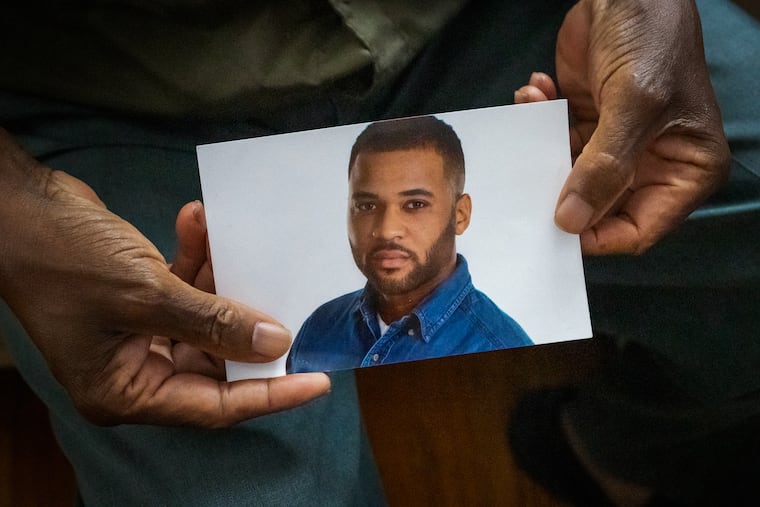
Parents of Kingsessing mass shooting victim file lawsuit against seller of ghost AR-15 firearm.
In July 2023, a mass shooting in Kingsessing, Southwest Philadelphia, resulted in the deaths of five individuals, raising pressing concerns about firearms regulations and the sale of ghost guns. The suspect, Kimbrady Carriker, reportedly acquired parts for an AR-15-style rifle from an online retailer, thereby circumventing background checks mandated by Pennsylvania law. This alarming ability to evade regulatory measures is central to a newly filed lawsuit by the parents of one of the shooting victims, Joseph Wamah Jr., against the gun seller involved.
Carriker’s shooting spree, which commenced with the fatal shooting of Wamah, a 31-year-old sketch artist, and continued on the streets of Kingsessing, has been characterized as one of the most devastating incidents in Philadelphia’s history. The lawsuit implicates both the gun seller, 80-Lower, along with its parent company, Tactical Gear Heads LLC, and its owner, Chad Myers. The complaint alleges that the seller negligently provided ghost gun components to Carriker despite his disqualifications arising from prior criminal charges, which should have prevented him from legally purchasing firearms.
Ghost guns, which are firearms assembled from parts and often lack serial numbers, present unique challenges for law enforcement as they are not easily traceable. The lawsuit contends that by marketing these parts without adequate oversight, the defendants contributed to the avoidable bloodshed experienced during the Kingsessing shooting. Specific marketing tactics employed by the online seller reportedly targeted individuals seeking to bypass background checks.
Legal experts note that gun sellers and manufacturers typically enjoy immunity from lawsuits related to crimes committed with their products due to a federal law established in 2005. However, the principle of “negligent entrustment” could provide a pathway for the Wamahs to seek accountability. This principle applies when a seller has reason to believe their product could be used in ways that pose a substantial risk of harm to others.
In addition to the Wamah family’s lawsuit, the city of Philadelphia and the Giffords Law Center to Prevent Gun Violence previously initiated legal action against manufacturers Polymer80 and JSD Supply for their role in enabling access to ghost guns. This ongoing legal scrutiny of the firearms industry underscores a growing awareness of the risks posed by unregulated gun parts and the urgent need for improved gun control measures.
As this case unfolds, the implications may extend beyond Pennsylvania, potentially affecting national discussions surrounding gun violence, regulation, and the responsibilities of online gun retailers. The nature of gun sales in America, especially in the context of emerging technologies and purchasing methods, continues to be a pivotal point of contention in the wider discourse on public safety and legal accountability.


