Philadelphia’s Foster Care System Revealed: Parents ‘Voluntarily’ Surrendering Children in Complex Network
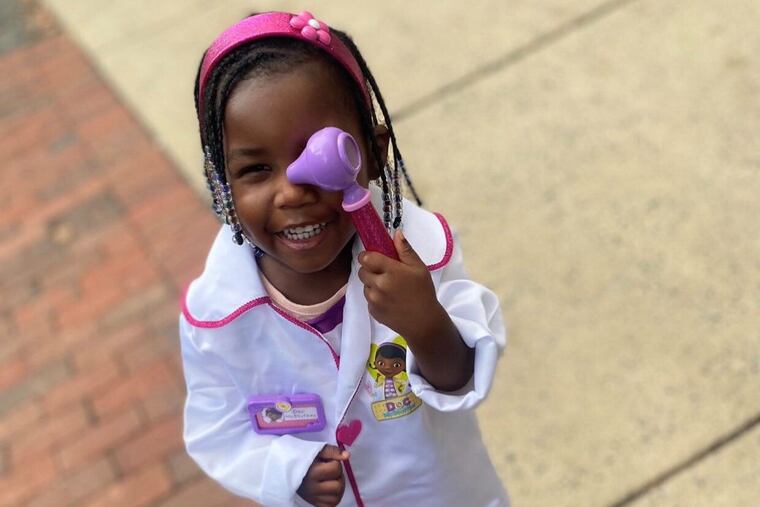
In the fall of 2021, Tytianna Hawthorne received a startling phone call from an investigator with the Philadelphia Department of Human Services (DHS). This call came after a confidential tip to ChildLine suggested that her 1-year-old daughter, Su’Layah, may have been abused. The basis of the concern was reportedly a social media photograph that displayed “hookah charcoal burn marks” on Su’Layah’s inner thighs.
At just 20 years old and having experienced the foster care system herself, Hawthorne was apprehensive. Aware that DHS wielded the authority to remove her child, she hoped to provide clarity regarding Su’Layah’s wellbeing. Upon returning the investigator’s call, she explained that she had first noticed the marks after her daughter returned from a weekend visit with her father and had treated them with Neosporin. Hawthorne disclosed her challenging living situation, noting that she and Su’Layah were relying on family members and friends for shelter due to financial constraints.
Despite the marks being barely visible, an investigator insisted on a medical examination for Su’Layah. Subsequent reports confirmed that the child had not suffered any burns but was battling impetigo, a common childhood infection. With the threat of state intervention looming, concern arose among investigators about Hawthorne’s financial situation when it was noted that she had not purchased the antibiotic cream prescribed for Su’Layah.
During one meeting, an unexpected participant arrived: Danaejah Harper, an acquaintance from a previous group home stay, who indicated her willingness to care for Su’Layah. The conversation shifted dramatically when the investigator suggested the possibility of placing Su’Layah in foster care, presenting Hawthorne with the daunting ultimatum to either place her daughter with someone he trusted or face legal intervention.
This situation highlighted a troubling practice known as “hidden foster care.” Though labeled as voluntary arrangements, these placements often compel parents to surrender some parental rights without the protections normally associated with formal court proceedings. For Hawthorne, the choice appeared stark: maintain her parental rights or risk losing her daughter entirely.
Approximately 14 months after the initial investigation, tragedy struck when Su’Layah was killed under horrific circumstances. Harper’s partner was charged with her murder, leaving Hawthorne devastated and with a lingering sense of injustice regarding the choices that had been forced upon her.
In retrospect, advocates for parental rights have raised serious concerns about the implications of such arrangements, particularly for marginalized families. Many argue that the child welfare system often equates poverty with neglect, leading to unwarranted interventions. As the legal system examines the circumstances surrounding this case, it draws attention to the broader systemic issues affecting families entangled in child protective services.
Following her daughter’s death, Hawthorne sought to ensure her legacy by arranging a funeral for Su’Layah. National statistics reveal that only about half of families separated by foster care reunite, a reality that emphasizes the importance of assessing the support systems available for parents rather than resorting to separation.
The haunting reality of Su’Layah’s story raises critical questions about child welfare policies, particularly regarding their treatment of low-income families. As Hawthorne grapples with her loss, the case serves as a painful reminder of the systemic failures that can result in devastating outcomes for vulnerable children and their families.