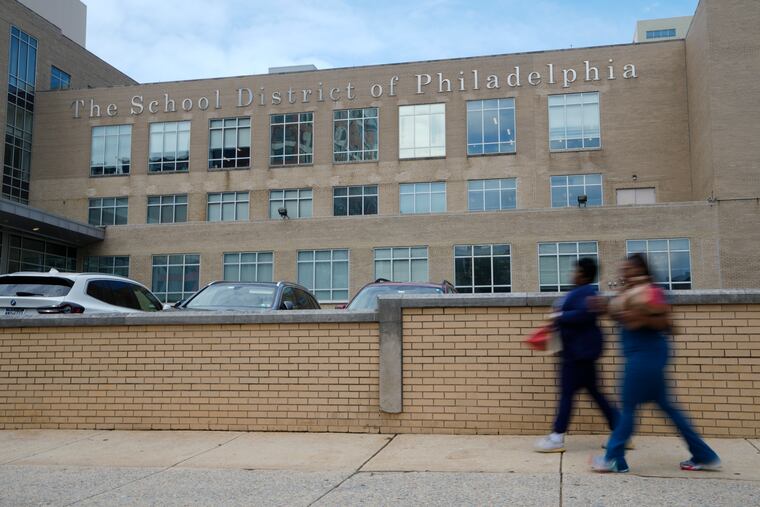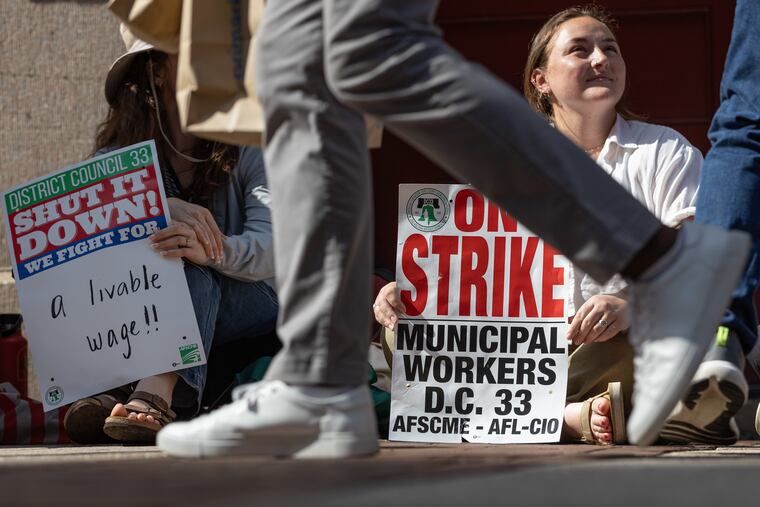
Mayor Parker and DC 33 face multiple issues in contract negotiations beyond wages.
Negotiations between the Cherelle L. Parker administration in Philadelphia and the American Federation of State, County and Municipal Employees District Council 33 are at a critical juncture, with salary demands leading the conversation. Currently, DC 33 workers earn an average annual salary of ,000, a figure that is notably ,000 lower than the city’s defined living wage according to the Massachusetts Institute of Technology’s Living Wage Calculator. This considerable wage gap has emerged as a significant point of contention in the ongoing contract negotiations, which also encompass health benefits, pension plans, work rules, and residency requirements.
DC 33 is recognized as the lowest-paid among Philadelphia’s four major municipal unions, and the disparity in wages is prompting union leaders to push hard for more equitable compensation. Negotiations have revealed substantial differences in the proposals set forth by both the administration and the union. While there have been agreements on minor issues, key areas of dispute remain, particularly regarding healthcare benefits and mandatory residency rules for city employees.
Currently, the city contributes ,500 per employee per month to DC 33’s health and welfare fund, but the administration’s January proposal suggests an overhaul of this structure, which has raised concerns within the union. DC 33 has expressed a desire to maintain the current arrangement and is advocating for an increase in the city’s contribution to ,700 per member per month by mid-2026.
Residency requirements present another hurdle. Mayor Parker has framed the city’s mandate that non-uniformed workers reside in Philadelphia as essential for community integration. DC 33 has proposed allowing long-serving employees the option to live outside the city; however, Parker has firmly signaled that loosening these restrictions is inconceivable at this stage.
In addition to these discussions, Parker’s administration is launching initiatives designed to alleviate housing costs for employees. The Housing Opportunities Made Easy initiative, which aims to build or preserve 30,000 housing units across the city, seeks to address the broader cost-of-living challenges faced by municipal workers. This comprehensive approach, while not exclusively directed at DC 33 members, reflects a commitment to improving the economic environment for city employees.
Despite ongoing negotiations, the fulfillment of both wage and benefit expectations remains uncertain, as both parties work through the complexities inherent to labor negotiations. As further discussions are scheduled, the outcomes will significantly impact city workers and the overall municipal landscape in Philadelphia.