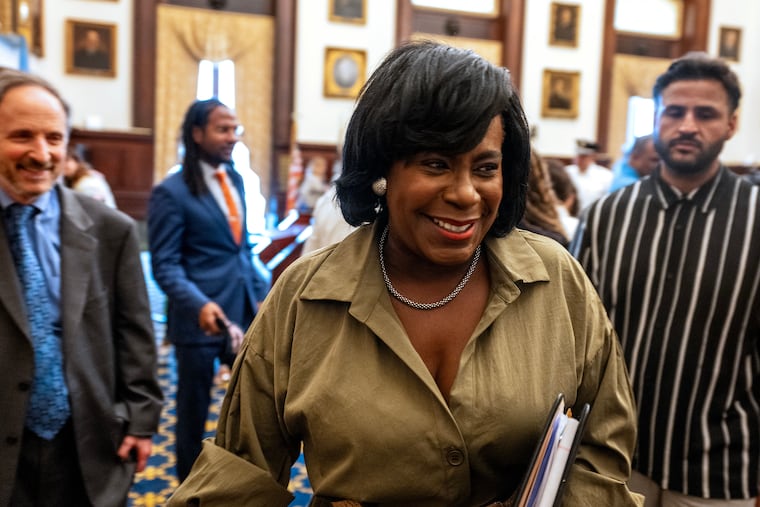
Parker secures new deal for DC 33, effectively ending the trash strike and demonstrating leadership success.
In a significant development for Philadelphia’s municipal workforce, Mayor Cherelle L. Parker has successfully negotiated a new contract, concluding an eight-day strike involving trash collectors and other essential city employees. This resolution marks a pivotal moment for both the mayor and the union representing blue-collar workers, as they have reached a mutually agreeable contract that balances fiscal responsibility with the urgent need for competitive wages.
The new three-year contract includes annual salary increases of 3% and a one-time bonus of ,500 for employees, conclusions that closely mirror Parker’s final proposal prior to the strike. This alignment suggests a strategic victory for the mayor, affirming her approach to managing the financial constraints typical of the nation’s poorest large city while recognizing the invaluable contributions of its municipal workforce.
Parker’s tenure, which has lasted 18 months, has seen her navigate complex fiscal landscapes. The projected cost of this new contract is estimated at 5 million over the next five years, a commitment that emphasizes her intent to maintain responsible city budgeting amid anticipated revenue challenges. This agreement not only addresses the workers’ immediate financial needs but also reflects a broader duty to the taxpayers of Philadelphia, reinforcing Parker’s mandate to uphold the city’s financial health.
However, despite the resolution, leaders within the American Federation of State, County and Municipal Employees District Council 33 have articulated their disappointment with the terms of the agreement. Union president Greg Boulware had advocated for more substantial annual increases of at least 5%, aiming to reverse decades of wage stagnation faced by city employees, whose average salary hovers around ,000. The outcome may not fully meet the aspirations of the workers, but it has sparked a critical dialogue about the compensation of public sector jobs.
Going forward, Parker will face additional labor negotiations, including those with the city’s police, teachers, and firefighters. The unionized workforce’s response to the recent agreement may set a precedent that complicates future discussions, especially given the pressures of maintaining morale and satisfaction among city employees.
As Philadelphians anticipate the resumption of regular services like trash removal, the implications of this negotiation extend beyond immediate logistics. The balance struck in this contract could influence the mayor’s standing with middle- and working-class constituents and set the tone for how the city approaches labor relations in the future.
The broader narrative of this negotiation underscores the importance of engaging with city employees as vital stakeholders in the community’s economic framework. While the results may feel transitory, the discourse initiated during the strike carries the potential to inspire ongoing discussions about fair compensation and the essential role of municipal workers in maintaining the fabric of urban life. As such, it remains to be seen how the outcomes of these negotiations will shape Philadelphia’s labor landscape and the perceptions of its leadership among the city’s diverse populations.
For now, the restoration of normal city services is a priority, but the residue of this contentious negotiation will likely linger in public discourse as both the citizens and their leaders reassess the value placed on essential city services.
Media News Source.