
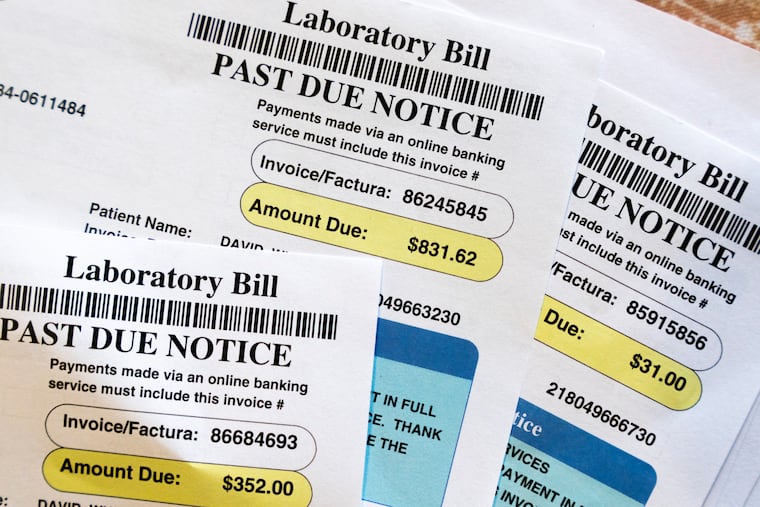
Federal judge overturns ruling that would have eliminated medical debt from credit reports.
In a significant judicial decision, a federal judge in Texas has blocked a rule instituted by the Consumer Financial Protection Bureau (CFPB) during the Biden administration, which aimed to eliminate medical debt from consumer credit reports. U.S. District Court Judge Sean Jordan, appointed by former President Donald Trump, ruled that the CFPB had overstepped its authority in attempting to enforce such a regulation.
Judge Jordan’s ruling, delivered on Friday, asserted that the CFPB is not authorized under the Fair Credit Reporting Act to remove medical debts from credit reports, thereby maintaining the integrity of the data collected by consumer reporting agencies. The CFPB had contended that the removal of medical debts from credit reports could potentially uplift the credit scores of millions of Americans, with projections indicating an average increase of 20 points for affected families.
Research from the CFPB indicates that outstanding medical claims are not reliable indicators of an individual’s ability to repay loans. Nonetheless, medical debts continue to play a substantial role in denying individuals access to credit, particularly mortgage applications. The ruling effectively reverses progress towards alleviating financial pressures faced by consumers burdened by medical debt.
Previously, the three major credit reporting agencies—Experian, Equifax, and TransUnion—announced a policy change that removed medical collections under 0 from credit reports. This new regulation would have gone further by prohibiting any outstanding medical bills from appearing on credit reports and disallowing lenders from considering this information in their lending decisions.
The CFPB had estimated that the now-defunct rule would have erased approximately million in medical debt impacting the credit reports of around 15 million Americans. This issue is particularly pressing, as about one in five Americans carry at least one medical debt collection account on their credit reports. The burden of this debt is disproportionately felt among communities of color, with 28% of Black Americans and 22% of Latino Americans reporting medical debt, compared to 17% of white Americans.
Established in the wake of the 2008 financial crisis, the CFPB was tasked with overseeing various sectors of the consumer finance industry, including credit card companies, mortgage lenders, and debt collectors. The agency has faced calls for operational halts from the Trump administration earlier this year, signaling an ongoing debate regarding consumer protections in the financial sector. The recent ruling serves as a pivotal moment in this discussion, highlighting challenges faced by the CFPB and those advocating for consumers grappling with medical debts.
This ruling may have lasting implications on credit reporting practices and the ongoing discourse surrounding healthcare costs and economic inequality in the United States.
Media News Source


