A Downingtown firm becomes one of the few 100% employee-owned companies in the U.S.
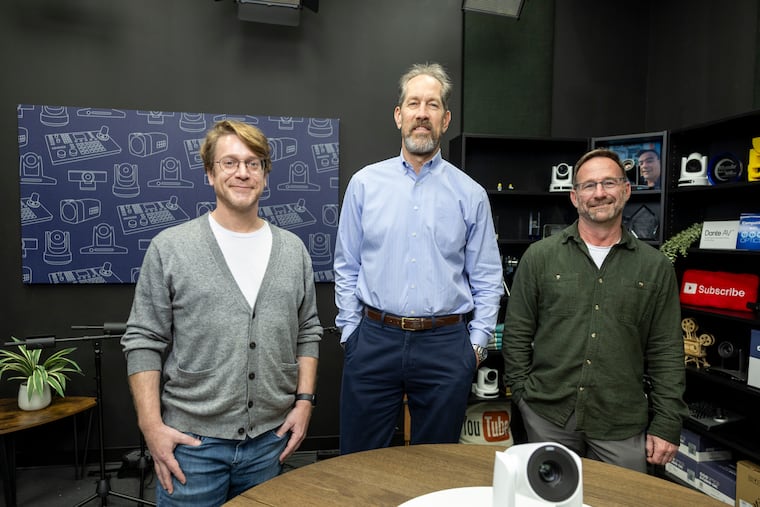
In recent developments within the corporate landscape of Pennsylvania, Haverford Systems, an audiovisual services company based in Downingtown, has made a significant transition to employee ownership. This move was initiated at the end of last year when employees learned that the company’s original founders were considering selling the business. Instead of being acquired by an outside investor or competitor, it became apparent that the 78 full-time employees would become the new owners through an Employee Stock Ownership Plan (ESOP), effective January.
This transition marks a notable moment for the firm, which has operated for nearly four decades. Shane Riley, an integration operations manager with two decades of service at Haverford, expressed a sense of excitement about this evolution, emphasizing the trust placed in the workforce by the original ownership. The ESOP model allows employees to acquire an ownership stake in the company, enabling them to benefit from its ongoing success.
Employee Stock Ownership Plans are relatively uncommon; as of 2023, only 6,411 businesses in the United States function under this model. This ownership structure has gained attention as a potential solution for business owners planning their succession, especially given that over half of U.S. businesses are owned by individuals aged 55 or older, with a significant portion considering selling in the near future.
Adria Scharf, an assistant professor at the Rutgers School of Management and Labor Relations, highlighted the financial benefits that come with ESOP structures, allowing employees who might not otherwise build substantial financial wealth to accumulate significant savings. While stories of individuals becoming millionaires through ESOPs are impressive, Scharf indicated that this is not typical, but rather, it represents a powerful tool for wealth accumulation, particularly amidst pervasive economic inequality.
In light of Haverford’s recent transition, other companies in the Philadelphia area, including Wawa and Renova Environmental Co., have adopted similar employee ownership models. These transitions not only preserve jobs but also align with business owners’ values and long-term goals.
While some may anticipate a dramatic shift in company culture following such ownership changes, industry experts clarify that operational structures like management hierarchies often remain intact. Employees at Haverford Systems, for instance, expect to maintain their current roles, while the benefits of ownership are seen as enhancing their engagement and commitment to the company’s future.
As companies explore alternative ownership structures like ESOPs, they open new avenues for employees to invest in their own futures while fostering a shared sense of responsibility and achievement within the business. The transition at Haverford Systems exemplifies this emerging trend, showcasing how employee ownership can serve as an effective model for both companies and their workforce.
As businesses navigate succession planning in a changing economic climate, the ESOP approach offers a compelling option that aligns the interests of owners and employees, ultimately aiming for sustainable growth and shared prosperity.