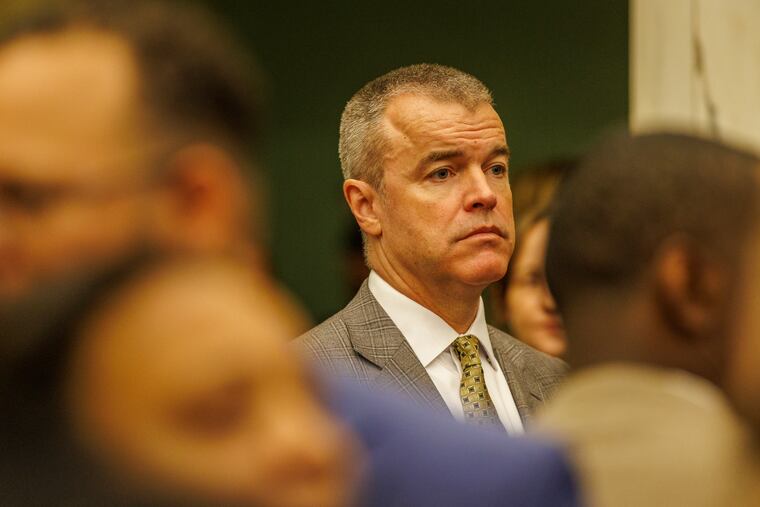
Adam Thiel, Philadelphia’s Managing Director, has significantly reduced his public presence after previously being highly visible in the community.
In a recent assessment of the management dynamics within Philadelphia’s city administration, questions surrounding the effectiveness of Managing Director Adam K. Thiel have been brought to the forefront. During a significant winter storm preparedness announcement, Mayor Cherelle L. Parker was joined by various top officials; notably absent was Thiel, the city’s second-highest-ranking official responsible for overseeing essential city services.
Thiel’s absence at key events throughout the year—including nearly five months spent on military leave—has raised concerns among city lawmakers regarding his commitment and performance. Payroll records indicate that last year, approximately half of Thiel’s salary, amounting to 6,200, was dedicated to paid time off. His compensation surpassed that of Mayor Parker, who earned 0,000 in the same timeframe. Thiel, who also holds the rank of major in the U.S. Army Reserves, joined the military after beginning his role as managing director in 2024.
In addition to his higher position in the city government, Thiel has a variety of consulting roles and academic appointments, reportedly generating more than 0,000 from consulting services while fulfilling his duties as managing director. Despite this extensive resume, several City Council members express frustration over Thiel’s limited public engagement, noting that it has been several months since they have directly communicated with him.
The managing director’s role, established to ensure apolitical delivery of city services, has seen fluctuating levels of authority under different mayors. Former Mayor Jim Kenney emphasized empowering the position, streamlining operations through the managing director’s office. In contrast, Thiel has been comparatively less visible, raising concerns among lawmakers who have grown accustomed to more accessible leadership.
Critics within the City Council have underscored the necessity for a managing director who is fully committed to the position, particularly during emergencies such as the recent snowstorm that drew scrutiny toward the city’s response efforts. Mayor Parker’s chief of staff, Tiffany W. Thurman, asserted that Thiel remains reachable and effectively manages his responsibilities, highlighting the complex dynamics at play within the administration.
Overall, as Thiel continues to navigate his dual roles within both the city and military, questions about his effectiveness and availability in key decision-making moments remain prevalent. Observers vividly recall a time when managing directors were more publicly active, suggesting that a re-evaluation of the expectations and visibility associated with this critical position may be warranted.