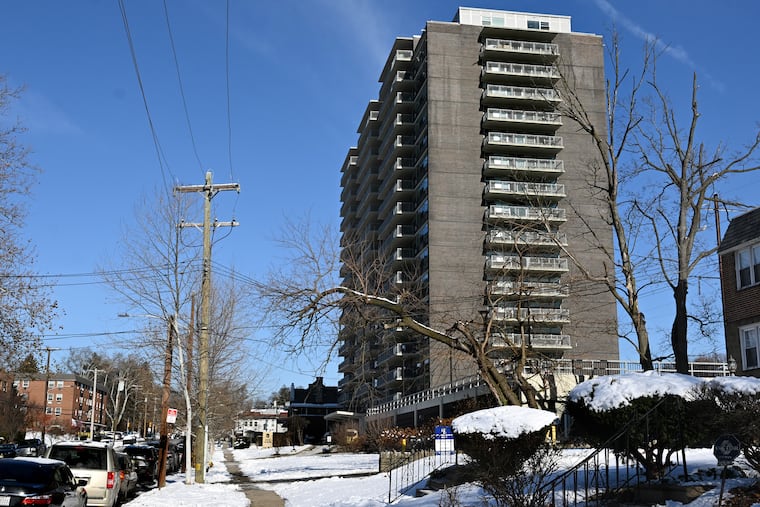
Affordable housing boosts community cohesion and supports local economic growth.
The rising demand for affordable housing has become a crucial issue in urban centers, particularly in Philadelphia, where low-income families are disproportionately affected. Many households are classified as “cost-burdened,” often spending over half of their income on rent. This financial strain leaves little for essential expenses like food, healthcare, and education, exacerbating existing inequalities. The shortage of affordable housing options contributes to an ongoing crisis that leaves many families in dire circumstances.
In Philadelphia, the structural gap between the number of very low-income households and the available affordable housing is pronounced. Efforts to combat this issue are being spearheaded by the Philadelphia Housing Authority (PHA), which has partnered with the city to implement a comprehensive plan aimed at preserving existing housing and developing new units. This initiative seeks to provide homes for approximately 80,000 residents while simultaneously addressing the needs of thousands more who are currently on a waiting list.
The advantages of investing in affordable housing extend far beyond merely providing shelter. Such investments stimulate job growth in construction and related industries, creating pathways to better financial stability for families. Each dollar spent on affordable housing is said to generate substantial economic benefits, including job creation and bolstering the local tax base.
PHA’s ambitious .8 billion “Opening Doors Initiative” aims to preserve the current housing stock while also increasing affordable housing options. Recent studies have highlighted that these efforts could significantly boost Philadelphia’s economy, projecting nearly billion in cumulative economic impact from planned developments. This initiative is anticipated to create over 3,700 full-time jobs, along with significant employee compensation growth within the region.
The ongoing construction and management of new housing developments also present an opportunity for a skilled labor force, which will, in turn, contribute to the local economy. The resultant tax revenues from these projects could exceed 0 million, providing crucial funds for city services.
To facilitate these investments, PHA is also making necessary adjustments to its operational framework. Efforts are underway to lower operating expenses in accordance with fiscal constraints and to streamline property management processes. By doing so, PHA aims to realize annual savings that can be redirected to further enhance its housing offerings and to better serve its residents.
The recent restructuring plan is expected to yield around million in annual operating savings, ensuring the sustainability of PHA’s housing assets. Although such decisions can be challenging, they are imperative for meeting the needs of residents and securing a brighter future for housing in Philadelphia.
In summary, PHA is committed to tackling the pressing issue of affordable housing through a multifaceted approach designed to support not only the immediate needs of families but also to stimulate broader economic growth in Philadelphia. The outcomes of these initiatives could redefine the landscape of housing affordability, establishing a sustainable model that other cities may look to emulate. Media News Source