Affordable housing project in West Philadelphia may progress after nearly six years since its proposal.
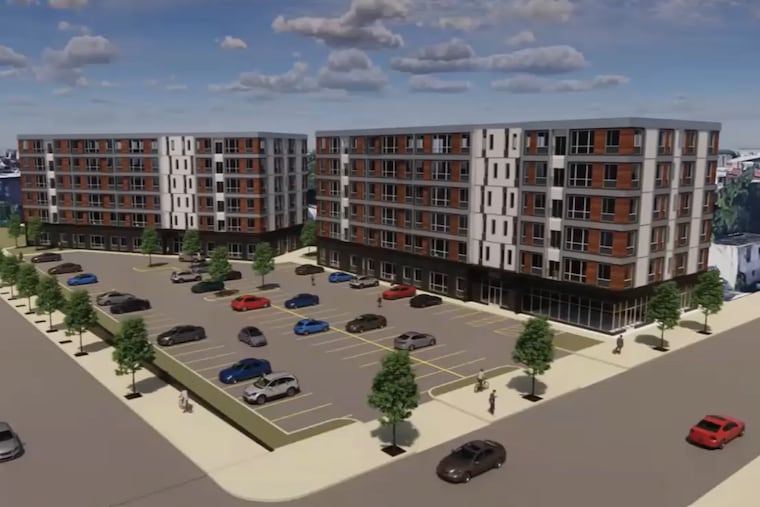
A significant advancement has occurred for an affordable housing initiative planned for a site previously occupied by a junkyard in Cedar Park. On Wednesday, a Philadelphia judge dismissed a challenge presented by a neighboring resident, paving the way for the realization of a 104-unit, dual-building development first proposed in 2020.
Philadelphia Common Pleas Judge Idee Fox affirmed the legality of the newly established zoning for a triangular selection of parcels located on Warrington Avenue, permitting structures to rise to a height of seven stories. The ruling marks a pivotal step toward addressing the city’s ongoing struggle with affordable housing scarcity.
The legal challenge was initiated by Melissa Johanningsmeier, a resident adjacent to the proposed development, who filed a lawsuit against the city in 2023. Johanningsmeier contended that the construction would contradict Philadelphia’s vision of preserving single-family homes in Cedar Park. Her concerns articulated during the court proceedings included heightened traffic, diminished parking availability, and loss of green space. Despite her claims, Judge Fox expressed skepticism regarding the validity of the opposition articulated by her attorney, highlighting a lack of supporting witnesses or substantial evidence for the claimed widespread discontent among local residents.
The judge emphasized that her role was not to discern the project’s merits, but rather to assess whether the zoning adjustments constituted a constitutional allowance. She pointed out that those dissatisfied with the development have the opportunity to voice their concerns through the electoral process.
The journey of this affordable housing project began in 2020, when New York-based developer Omni sought to introduce 174 affordable apartments to the West Philadelphia community. However, the plans faced initial resistance due to the proposed height of six stories and insufficient parking provisions for the estimated occupancy.
In a bid to gain neighborhood support and ensure successful approval from the Zoning Board of Adjustment, Omni modified its proposal. A revised design introduced in 2021 repositioned the buildings back from the street and allocated a total of 100 parking spaces for the 104 apartments, addressing the community’s primary concerns about overshadowing and accessibility.
By 2023, after numerous amendments and community meetings, most local stakeholders had rallied behind the developer’s plan. Nevertheless, Johanningsmeier remained opposed and contested the zoning decision in Common Pleas Court. A previous ruling favoring her caused the developer to pursue a new legislative route, allowing the project to advance without Zoning Board approval.
The crux of the recent legal debate centered around the classification of the zoning changes—whether they constituted “spot zoning” that conflicted with the predominant single-family residential properties of the area. Johanningsmeier’s argument hinged on the notion that implementing large multi-family dwellings would disrupt the existing neighborhood character.
Despite the challenges faced, supporters of the project assert that it stands to alleviate ongoing housing shortages, contending it transforms a dilapidated site into a community asset. Advocates for affordable housing maintain that prolonged legal battles and community resistance contribute to the rising costs and complexities of developing housing across the United States. Concerns persist regarding the ability of a single objector to stymie progress that could benefit numerous families seeking affordable living options.
As the project proceeds, supporters, including city council members, highlight its potential to foster inclusivity in a community rich in amenities. The outcome serves as a reminder of the critical balance between development, community identity, and the imperatives of creating affordable housing.