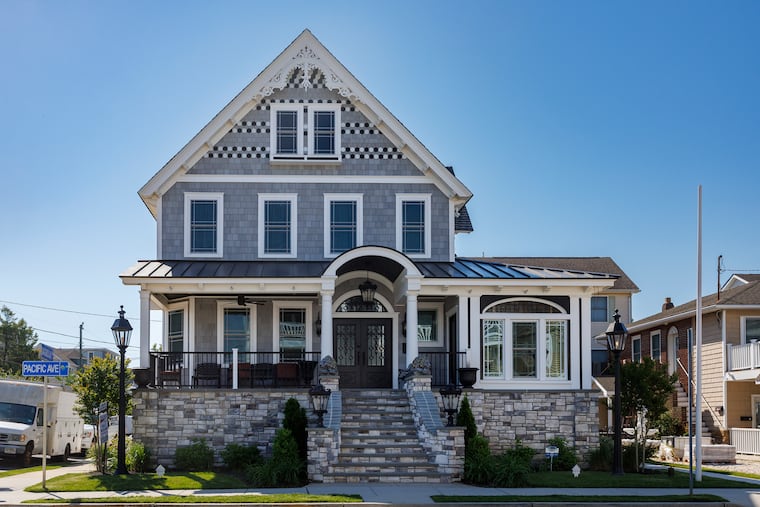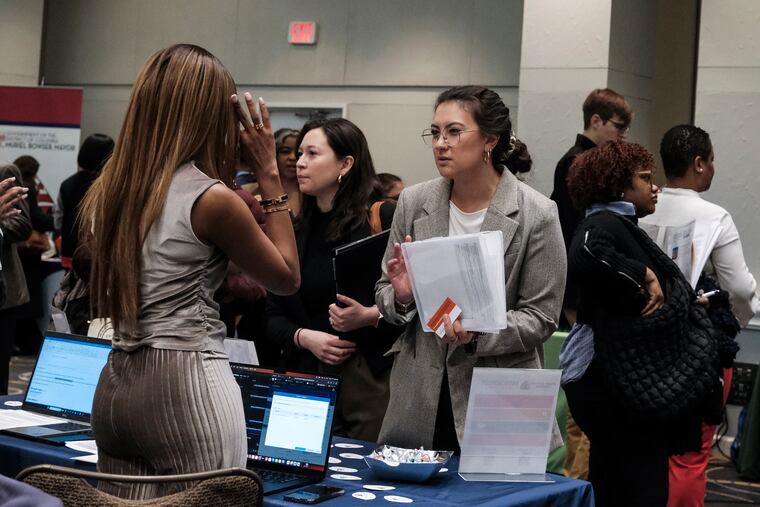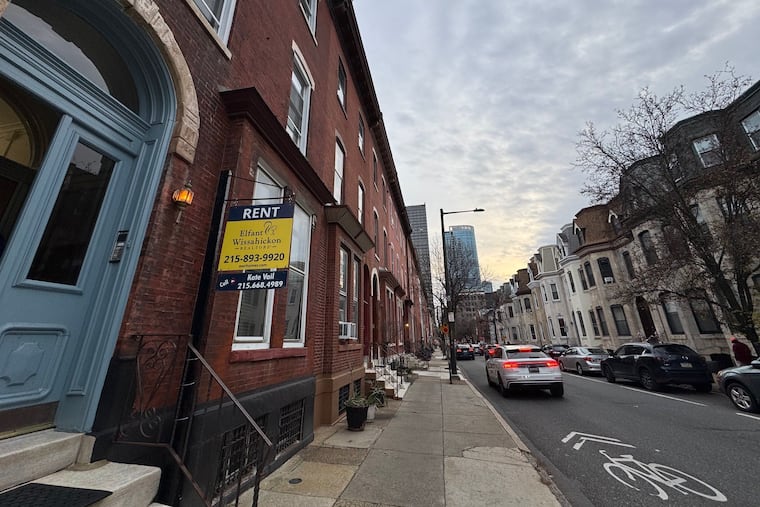
Affording an apartment in Philadelphia is challenging for minimum wage earners, with rental costs outpacing income levels significantly.
In a recent analysis, the Philadelphia metropolitan area emerged as the most challenging location for minimum-wage earners seeking to afford rent among the country’s top 50 metropolitan regions. The study conducted by Realtor.com revealed that two individuals working at Pennsylvania’s minimum wage of .25 per hour would collectively need to work an astonishing 96 hours each week to cover the median asking rent of ,739 per month as of November.
This situation highlights a pressing issue, as only five of the top 50 metropolitan areas allow for affordability in housing without necessitating overtime for minimum-wage workers. Notably, in these five areas, minimum wage levels exceed the federal baseline of .25, and their median rents are also below the overall median rent across the top 50 metropolitan regions, which stood at ,693.
The study pinpointed Buffalo, New York, as the most affordable metropolitan area for minimum-wage earners. Two workers earning the state’s minimum wage of .50 would only need to work 30 hours a week each to afford the median rent of ,176. In contrast, the cost of living in Philadelphia remains a significant barrier for its workers, who see their rental prices surpassing those in other metropolitan areas—making it imperative to address the affordability crisis.
Joel Berner, a senior economist at Realtor.com, remarked on the rising demand for labor, which often leads to wages exceeding the mandated minimum standards. However, in regions characterized by high living costs, even wages driven by market forces fall short of bridging the affordability gap. This stark reality signals that housing costs continue to obstruct economic mobility for many at the lower end of the income spectrum.
Nationwide, while rent prices have generally moderated in recent years, the median rent across America’s top 50 metros remains about 17% higher than levels recorded just prior to the pandemic in November 2019. The situation is somewhat promising moving forward, as some states are poised to implement increases to their minimum wages in the upcoming year. Such increases could enhance affordability for households burdened by high rents, particularly in urban centers.
By 2026, predictions indicate a potential increase in the number of metropolitan areas where two minimum-wage earners can afford typical rental expenses without the need for overtime hours. Upcoming changes in Detroit and Jacksonville are particularly noteworthy, where minimum wages are scheduled to rise significantly, thus alleviating some pressure on renters.
As the affordability crisis lingers, ongoing research and proposed wage adjustments highlight the need for concerted efforts to overcome the housing challenges facing many American households today. Housing affordability remains a complex issue intertwined with the labor market, necessitating comprehensive solutions to enhance economic resilience in high-cost living areas.