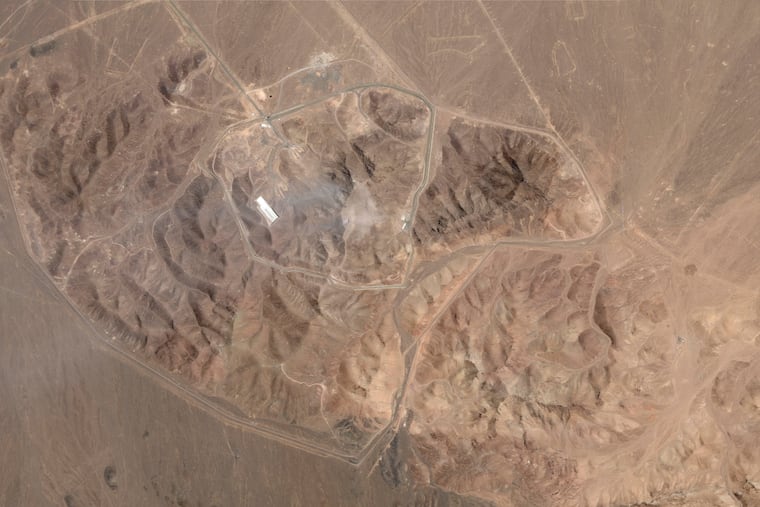
Aftershocks of recent bombings felt in Philadelphia as city responds to ongoing security concerns.
Recent developments in the international arena have underscored the growing tensions in the Middle East, particularly in relation to Iran’s activities. A series of strategic bombings and military maneuvers have drawn significant attention from U.S. lawmakers and advocacy groups. These events represent not only a geopolitical concern but also an intricate web of diplomatic relations and domestic political ramifications for the U.S.
Iran’s military strategies have evolved to intensify tensions within the region, leading to calls for congressional action. Lawmakers are increasingly faced with the challenge of addressing the threat from Iran, balancing national security concerns with advocacy for diplomacy. This evolving situation raises questions about the effectiveness of current U.S. foreign policy in the Middle East, particularly as it relates to containment strategies aimed at Iran’s nuclear aspirations and regional hegemony.
In response to these developments, several advocacy organizations have ramped up efforts to influence public discourse and legislative priorities. Their campaigns emphasize the importance of a comprehensive approach to both military readiness and diplomatic engagement. As governmental responses to international threats remain unpredictable, the complex interplay between legislative action, public opinion, and advocacy efforts will play a crucial role in shaping future U.S. engagement in the region.
Amid these tensions, various factions within Congress are advocating for enhanced measures, including reallocating defense resources and reassessing alliances. The debate reflects broader concerns about military spending and whether the current defense posture is adequate to address emerging threats, not only from Iran but also from other regional adversaries.
Furthermore, the role of technology and cybersecurity in modern warfare is becoming increasingly prominent. As conflicts evolve and the risks of escalation rise, U.S. leadership is challenged to adapt to these new battlefield realities. The intersection of technology, public policy, and military strategy will undoubtedly continue to shape the discourse surrounding U.S. foreign policy in the Middle East.
The unfolding situation illustrates the urgency for cohesive action among U.S. lawmakers, coupled with a deeper understanding of Iran’s role in the region. These dynamics will undoubtedly influence congressional strategies and advocacy efforts as stakeholders seek to navigate an increasingly complex international landscape.
This is a critical period for U.S. foreign policy as citizens, advocacy groups, and lawmakers must engage closely to address the multifaceted challenges posed by Iran’s actions and respond effectively to the shifting geopolitical landscape.
Media News Source