AI data center proposal in Conshohocken area withdrawn due to legal complications.
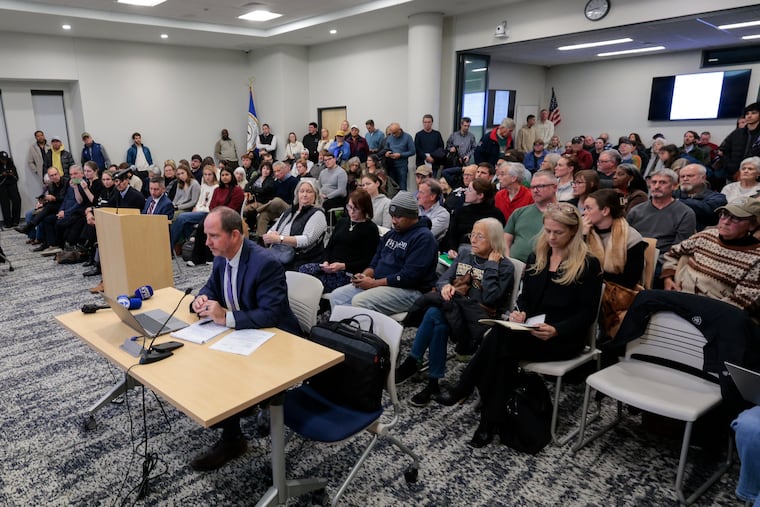
A proposal to transform a defunct steel mill situated near Conshohocken into a substantial 2-million-square-foot artificial intelligence (AI) data center has encountered a significant setback, forcing the developer to retract his application at a recent Plymouth Township zoning board meeting. Brian O’Neill, the developer behind this ambitious venture, did not attend the meeting, which was marked by a packed room filled with concerned community members voicing their opposition.
During the meeting, O’Neill’s attorney, Edmund J. Campbell, sought to postpone the hearing to the township’s next scheduled meeting in December. However, Cleveland-Cliffs, the current property owner, contested O’Neill’s legal standing to make such a request, citing that no formal agreement of sale was in place prior to the meeting. Heather Fine, the attorney representing Cleveland-Cliffs, reiterated the absence of a legally binding arrangement, asserting that the necessary paperwork had not been finalized.
Given these unfolding complications, Campbell subsequently asked for permission to withdraw the application, which was regrettably granted by the board. This marked a significant moment for residents who had organized over the past month to oppose the project, highlighting their concerns regarding potential light, noise, and air pollution that could disrupt their tranquil neighborhood.
Community leaders described their feelings as a mixed bag, recognizing the withdrawal as a minor victory. Nick Liermann, an attorney and local resident, characterized the event as a “small win,” stating that it complicates the prospects of the proposed data center, while Patti Smith, a key figure in the opposition efforts, emphasized the importance of collective action among residents.
The retracted application means that the data center proposal is no longer on the table in Plymouth Township; however, the applicant retains the option to resubmit the plan at a future date, potentially reigniting the contentious public discourse. The proposed facility, intended for a 66-acre site along the Schuylkill River—less than a mile from downtown Conshohocken—had been met with skepticism as citizens expressed a desire to protect their community’s environmental integrity.
The topic of data centers has sparked broader conversations across the region, particularly in light of the rapid expansion of AI technologies. While there is considerable demand for such infrastructures, the concerns surrounding their environmental and social impacts continue to resonate deeply with local communities. O’Neill has articulated that his vision for the site aligns with modern industrial needs but must now navigate the complexities of local sentiment and regulatory frameworks. The matter underscores a growing tension between development and community preservation—a dynamic that is likely to persist as the landscape of industrial usage evolves in the 21st century.
Residents will be vigilant, prepared to engage robustly should this proposal resurface in the coming months. The unfolding situation reflects a microcosm of the ongoing debate surrounding technological advancements and their implications for local environments and communities nationwide.