AI is transforming hiring practices – discover key skills that will ensure job security.
In a significant shift within the employment landscape, the consulting firm Accenture has announced a layoff of approximately 11,000 employees. This decision emerges as part of Accenture’s broader strategy to pivot towards the integration of artificial intelligence (AI) in its operations. The layoffs serve as a stark indicator of how emerging technologies are not only enhancing operational efficiency but are also reshaping job security and workforce dynamics.
Accenture is not an isolated case; several major corporations are undertaking similar initiatives. For example, IBM has also streamlined its workforce by replacing hundreds of roles with advanced AI systems, while simultaneously creating new positions in sales and marketing. Amazon, despite ongoing staff reductions, is expanding its teams focused on AI development and management. This trend highlights a broader industry movement as companies across diverse sectors—from financial institutions to healthcare and the creative arts—grapple with the implications of AI on employment. Workers are increasingly faced with questions about which job functions may vanish, which will adapt, and what entirely new roles may emerge.
Recent research into the evolving job market, encompassing data from two comprehensive surveys, reveals crucial insights. The Data Integrity & AI Readiness Survey sampled 550 organizations, assessing their utilization and investment in AI technologies. In tandem, the College Hiring Outlook Survey evaluated perceptions of entry-level hiring practices among 470 employers, focusing on the importance of AI skills in prospective candidates.
Findings indicate a problematic readiness gap: while over half of the organizations surveyed acknowledged that AI plays a crucial role in daily decision-making, a mere 38% felt their employees were adequately equipped to work with AI technologies. The disconnect is significant, particularly in customer-facing roles that are experiencing rapid automation. Despite the reliance on AI, only 27% of recruiters expressed comfort with the use of AI tools by applicants for activities such as crafting resumes or researching salary data. This inconsistency raises concerns regarding the perception of AI, suggesting a hesitation among employers to fully embrace its advantages in the context of job applications.
Moreover, many organizations have yet to adjust their qualification criteria in light of the technological evolution, continuing to seek attributes relevant to past job markets and overlooking the necessity for AI fluency. The pace of technological advancement often outstrips workers’ ability to adapt, underscoring the need for a paradigm shift in employment practices.
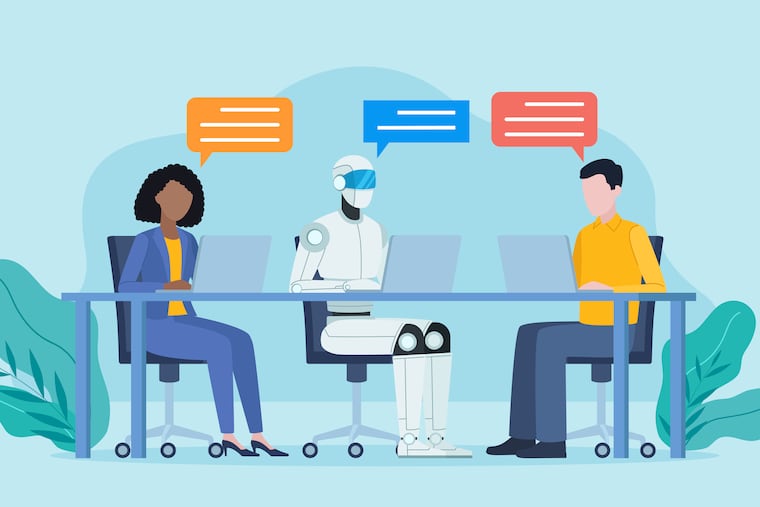
Navigating this complex landscape is crucial. The research underscores the need for “human-AI fluency”, the ability to work effectively alongside AI, critically evaluate its outcomes, and continue learning as the technology evolves. The most successful organizations foster a culture of trust and governance that encourages experimentation and reduces the fear associated with technology. In doing so, they enable their workforce to view emerging technologies as tools for growth rather than threats.
As AI continues to redefine roles and bring forth new opportunities, companies that prioritize adaptability, curiosity, and strong judgment will thrive. Future employment will increasingly hinge on individuals who can integrate technological savvy with human insights, paving the way for novel roles such as AI translators and digital coaches. Ultimately, the competitive edge will belong to those capable of transforming both human and artificial intelligence into tangible value in the workplace.
This critical examination of the current employment dynamics illuminates an urgent need for both organizations and individuals to adapt rapidly to the realities of an AI-driven workforce. Understanding how to leverage these changes will be vital for navigating the future economic landscape.
Media News Source