Airlines expect a swift recovery before Thanksgiving as FAA plans to lift flight cuts.
Airlines in the United States are expressing optimism about resuming normal operations following the recent federal government shutdown that prompted flight reductions at 40 major airports across the country. While leaders in the airline industry anticipate a return to full operations shortly after the Federal Aviation Administration (FAA) lifts its mandate to cut flights, the timeline for this decision remains uncertain, despite the conclusion of the shutdown.
The FAA recently announced that airlines will no longer be required to reduce more than 6% of their flights at these high-traffic airports. This marks a significant improvement in air traffic controller staffing levels, which were critically impacted during the shutdown. Initially, regulations imposed flight reduction increments set to reach 10% were announced, with safety concerns at the forefront of these measures due to a considerable shortfall of qualified air traffic controllers.
Before the shutdown, staffing levels had already been strained, with thousands of positions unfilled. The pre-existing shortage, combined with the absence of controllers who were not receiving pay during the shutdown, necessitated the flight reductions as safety experts mandated a cautious approach to air traffic management.
As of Thursday morning, no fresh updates were provided by officials at the FAA or the Transportation Department concerning when the flight reduction order might be lifted. Transportation Secretary Sean Duffy highlighted the importance of safety data in making any such decisions, which FAA experts are currently analyzing.
Airline executives are cautiously optimistic, projecting that operations may return to normal within three to four days after the FAA’s order is rescinded. However, some analysts caution that lingering disruptions could significantly impact travel, especially during the crucial Thanksgiving holiday period. The situation reflects broader operational complexities akin to those experienced after major weather events, where flight schedules require time to stabilize.
Airlines have strategically reduced services primarily on regional routes to alleviate disruption at key hubs. By late Thursday morning, an estimated 1,000 flights had already been canceled nationwide due to these operational changes.
Airlines for America, the industry trade group, noted the eagerness to resume normal operations promptly, stating expectations of record passenger volumes—up to 31 million—during the upcoming Thanksgiving travel weekend. To address the financial challenges faced by controllers and other FAA personnel during the shutdown, plans were discussed to offer bonuses to those who worked through the crisis, with varying conditions based on attendance and performance.
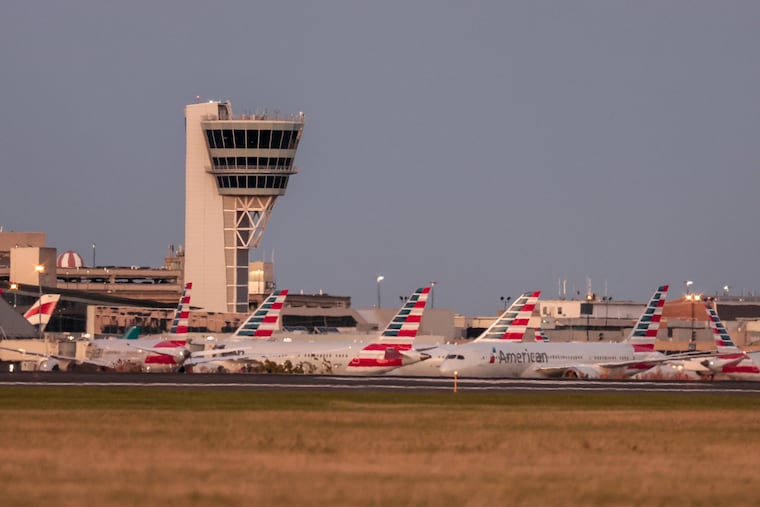
American Airlines executives have communicated their belief in the ongoing improvements within the FAA’s staffing levels, which they cited as critical for minimizing further operational disruptions as the holiday travel season approaches. With a diligent recovery plan in place, American Airlines aims to deliver consistent service and reassurance to travelers during this bustling time.
As the aviation sector continues to navigate these challenges, the focus remains on recovering effectively and prioritizing passenger safety on the verge of a peak travel season.
Media News Source.