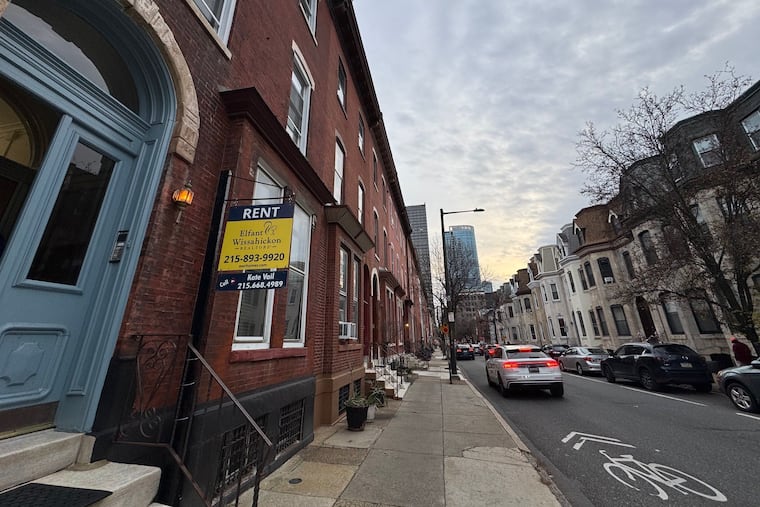
Albany urged to accelerate essential infrastructure projects for timely completion.
New York City is currently undergoing a significant transformation, with construction projects proliferating throughout its five boroughs. This surge in construction is not only an indicator of growth but also a crucial step toward addressing the city’s housing shortage, modernizing outdated infrastructure, and enhancing the overall livability of urban environments. By providing affordable housing and improving infrastructure, the city aims to accommodate its expanding population while creating a more resilient built environment.
The economic benefits of these construction initiatives are substantial. Investment in construction generates jobs, particularly for union workers, and allows for the growth of skilled trades within the workforce. However, beneath the surface of these projects lies a complex network of utility lines commonly referred to as “underground spaghetti.” This term encapsulates the intricate maze of city-owned utilities, such as water mains and sewer lines, as well as privately owned utilities for electricity, gas, and telecommunications.
The unique arrangement allowing private utilities to run their lines under city streets includes stipulations for relocating these lines when infrastructure upgrades are needed. This provision alleviates some financial burdens on taxpayers, saving the city hundreds of millions of dollars each year, as private utilities bear the costs of relocation and contribute to shared municipal expenses during public projects. Nonetheless, this system also poses coordination challenges, requiring careful management to ensure that construction is efficient and minimally disruptive.
To navigate these complexities, a “joint bidding” law was established in 2004. Initially enacted to expedite recovery efforts in Lower Manhattan following the events of September 11, the law permits the city to combine public contract bidding with private utility work. This process has been extended multiple times, but recent opposition led to a one-year extension expiring at the end of 2025 unless reauthorized.
As the 2025 Albany legislative session approaches, the urgency for a new ten-year extension of the joint bidding law intensifies. Over the past months, the New York City Department of Design and Construction (DDC) has actively engaged with contractors, utility companies, and industry groups to develop a refined approach. This proposed model focuses on open competitive bidding and ensures accountability for all parties involved.
The proposed extension is vital for enhancing efficiency in public works projects. Without joint bidding, essential infrastructure upgrades could be delayed significantly, leading to prolonged disruptions for residents and businesses. Given New York City’s ambitious multi-billion-dollar capital plan, the need for a long-term strategy to manage these projects is critical. In an era where urban infrastructure demands are increasing, extending the joint bidding law is imperative to facilitate faster, more cost-effective construction processes and overall city development.
Media News Source