Amtrak delays full operation of new fleet of next-generation trains until after 2026 due to ongoing facility upgrade issues.
Amtrak is facing significant delays in upgrading its maintenance facilities, which has raised concerns about the operational readiness of its next-generation Acela and Airo trains scheduled to enter service in 2026. A recent report from the Amtrak Office of Inspector General revealed that the delays have put the company at risk of having a portion of its fleet remain idle, potentially leading to millions in lost revenue due to unfulfilled capacity.
The issues stem from a misalignment in scheduling between the rollout of the new fleets and necessary infrastructure enhancements. While Amtrak initiated efforts to upgrade its fleet as early as 2010, it did not commence upgrades to its facilities until 2016. This staggered approach has resulted in substantial inefficiencies, as the necessary maintenance facilities are not being constructed in accordance with the anticipated deployment timelines of the new trains.
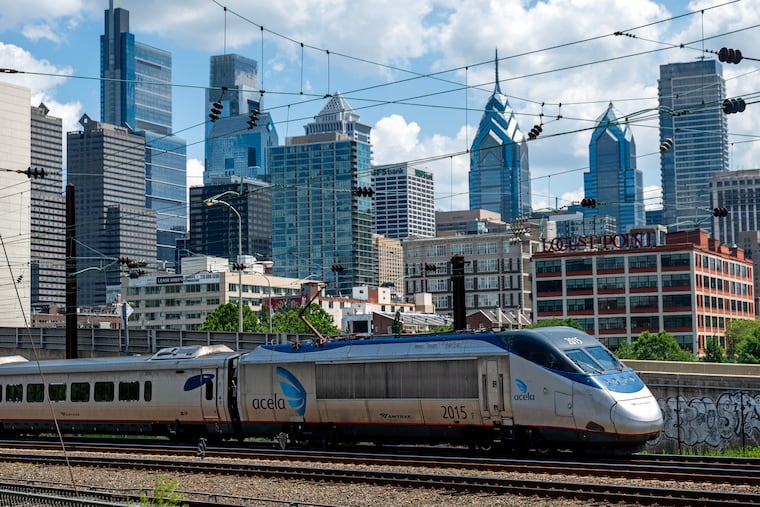
Amtrak is currently investing billion into acquiring three distinct fleets of trains—the NextGen Acela, Airo, and Long Distance train sets. The first of the NextGen Acela trains made their debut in August 2023, with Airo trains expected to roll out in 2026 and Long Distance trains following in the early 2030s. The new Acela trains promise a more comfortable and faster travel experience, with speeds of up to 160 mph. However, operational realities threaten to undermine these advancements.
As detailed in the Inspector General’s report, under the existing facility construction timeline, Amtrak will only be able to operate 24 of the 28 planned NextGen Acela trains and 12 out of the 83 Airo trains by the 2026 deadline. Key facility upgrades are underway in several major cities, including Philadelphia, Seattle, Boston, New York, Washington, D.C., and Rensselaer, New York. Notably, Amtrak broke ground on a new 2 million facility in Philadelphia last October, reflecting its commitment to modernize its infrastructure.
Despite having begun the planning process for fleet replacement 15 years ago, Amtrak has only recently begun addressing its facilities’ shortcomings. The Inspector General’s report criticized the company’s piecemeal approach, suggesting that a more comprehensive strategy is necessary to ensure alignment between fleet acquisitions and facility readiness.
In response to the report’s findings, Amtrak officials have committed to implementing a new management framework aimed at streamlining facility upgrade processes, with a goal for completion by March 2026. However, the ongoing challenges highlight the critical need for Amtrak to enhance its planning and execution to avoid future setbacks and optimize its service capabilities.
Media News Source reports that while the company has taken steps to align its fleet and facility planning efforts, it remains crucial for Amtrak to effectively define and execute the scope of the remaining work. The future of the national rail service hinges on overcoming these infrastructural challenges to fully realize the potential benefits of its new train technologies.