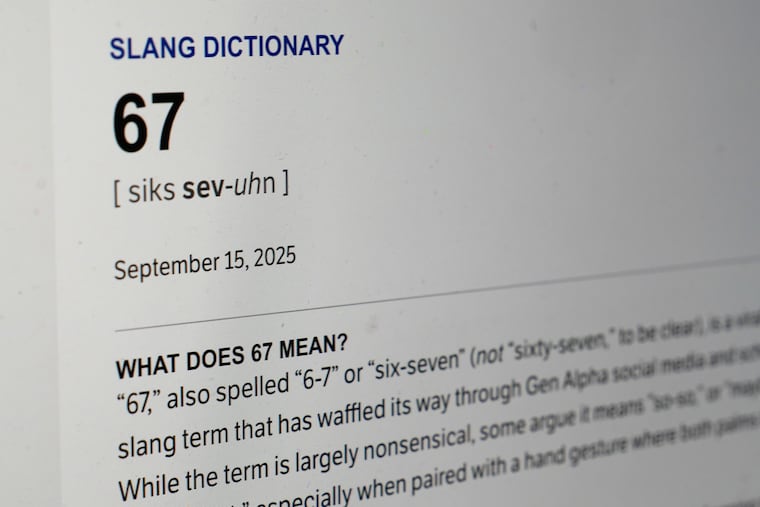
Analysis of the 6-7 results highlights key insights about American culture and society.
In contemporary discussions surrounding cultural expression, the distinction between cultural appreciation and cultural appropriation has garnered increasing attention, particularly among diverse communities in the United States. This dynamic is vividly illustrated by the phenomenon of “6-7,” which has emerged as a cultural touchpoint for various demographics across the nation. Children are celebrating their birthdays with “6-7” themed parties, while some schools have begun to ban the term, showcasing youth engagement with popular culture that frequently overlooks the deeper social issues at play.
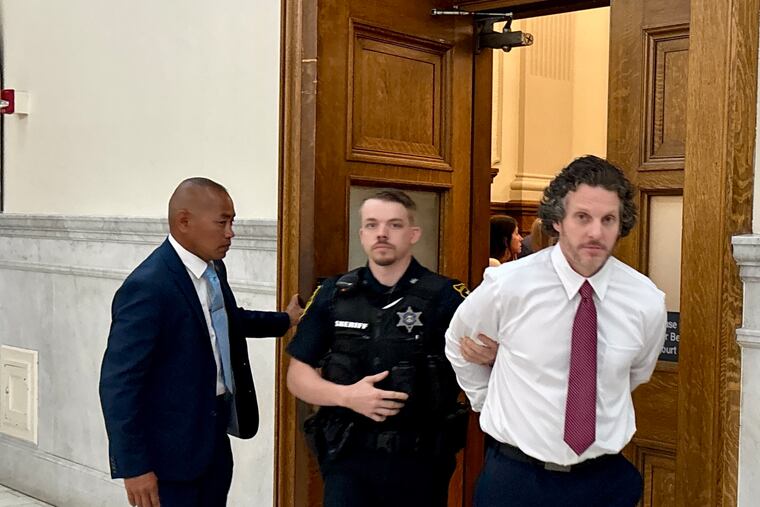
“6-7” has been named the 2025 Word of the Year by Dictionary.com and is defined by Merriam-Webster as a nonsensical expression connected to a song and a notable basketball player. However, its origin can be traced back to rapper Jemille Edwards, known professionally as Skrilla, who hails from Kensington, an area heavily affected by socioeconomic strife. His music sheds light on the very real challenges his community faces, including the opioid epidemic, yet this critical narrative often fades from public consciousness as the phrase gains popularity removed from its roots.
Kensington continues to struggle with the legacy of governmental policies such as redlining, which have historically marginalized its predominantly Black and Latino population. The area is characterized by elevated rates of violence, significant poverty, and a stark shortage of resources, with a bachelor’s degree attainment rate of a mere 7%. Conditions in Kensington starkly contrast with those in other parts of Philadelphia, which has significant implications for the community’s development and opportunities.
As the “6-7” trend proliferates, it raises important questions about the implications of cultural appropriation. The enthusiasm surrounding the term, often celebrated in casual contexts, can overshadow the serious issues that Skrilla and others work tirelessly to address. This kind of cultural exchange, when devoid of commitment to understanding and supporting the source community, may contribute to a cycle of appropriation that inadequately confronts systemic inequalities.
While the popularity of “6-7” reflects a moment of cultural curiosity and engagement, it also serves as a reminder of the need for deeper reflection and action. A movement towards genuine appreciation must involve an honest dialogue surrounding the historical context of marginalized communities and an investment in their upliftment. In an America still grappling with widespread inequalities, cultural trends can be harnessed not simply for entertainment, but as catalysts for change and understanding.
Communities and individuals have an opportunity to act—not merely by participating in these cultural moments, but by advocating for policies that genuinely address and ameliorate disparities. Promoting equity and inclusion demands an awareness of structural barriers and a commitment to dismantling them. Recognizing that neutrality in the face of injustice equates to complicity is essential if significant progress is to be achieved.
To create a more equitable society necessitates not only acknowledging cultural origins but also valuing the lives and experiences that shape them. Encouraging empathy, education, and activism can pave the way for a more just future, transforming fleeting cultural moments into lasting social impact.
Media News Source