
Analysis of the Federal Indictment Against Letitia James
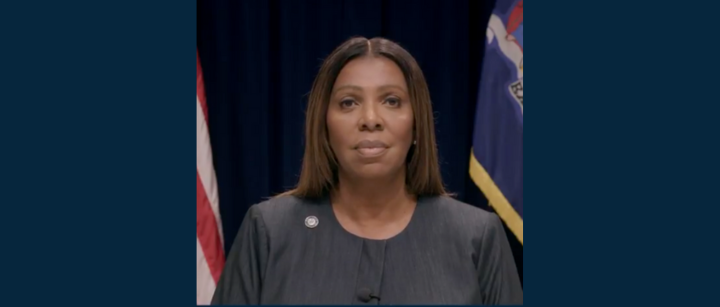
The ongoing legal battle involving New York Attorney General Letitia James and President Donald Trump took a significant turn with a federal indictment issued on October 9, 2025, alleging her involvement in mortgage fraud. This case has garnered significant public and media attention, reflecting the complexities of politics and law in contemporary America.
According to the indictment, Letitia James is charged with providing misleading information to obtain a lower interest rate when purchasing a home in Norfolk, Virginia. The government contends that James claimed the property would serve as a second home while allegedly using it as a rental investment. James vehemently dismissed the charges as “baseless”, asserting that the property was purchased for her great-niece, who reportedly lived there rent-free.
Legal experts have raised concerns regarding the validity of these allegations. James Kainen, a Fordham Law School professor specializing in real estate and white-collar crime, has suggested that federal prosecutors would typically not pursue such minor matters. He characterized the indictment as “disproportionate” and inconsistent with prosecutorial norms. This perspective echoes a broader sentiment among legal professionals questioning whether the severity of charges aligns with the evidence presented.
The indictment was issued by the U.S. Attorney for the Eastern District of Virginia, an individual appointed under notable pressure from Trump to target opponents. It highlights the contentious relationship between James and Trump, dating back to James’s campaign vows to hold Trump accountable for various alleged misdeeds.
Scheduled for an initial court appearance on October 24, James faces serious allegations, including bank fraud and providing false statements to a financial institution. The U.S. Attorney’s office indicated that she could face severe penalties. However, it’s crucial to note that actual sentences for federal crimes are often less severe than maximal penalties suggested.
The prosecution’s case depends heavily on proving that James had no intention of utilizing the Norfolk property for personal use when applying for the loan. Experts argue that the circumstances surrounding the case—specifically the relatively minimal financial impact on the banks—could make a convincing conviction challenging. Additionally, questions about the motivations driving this indictment may bolster James’s arguments against selective prosecution rooted in political maneuvers.
This unfolding saga illustrates the intersection of law and politics in America and raises essential questions about the implications of high-profile legal actions. As the case progresses, it will remain a salient point of discussion reflecting both the intricacies of the legal system and the ongoing political tensions within the country.
#PoliticsNews #MiddleEastNews


