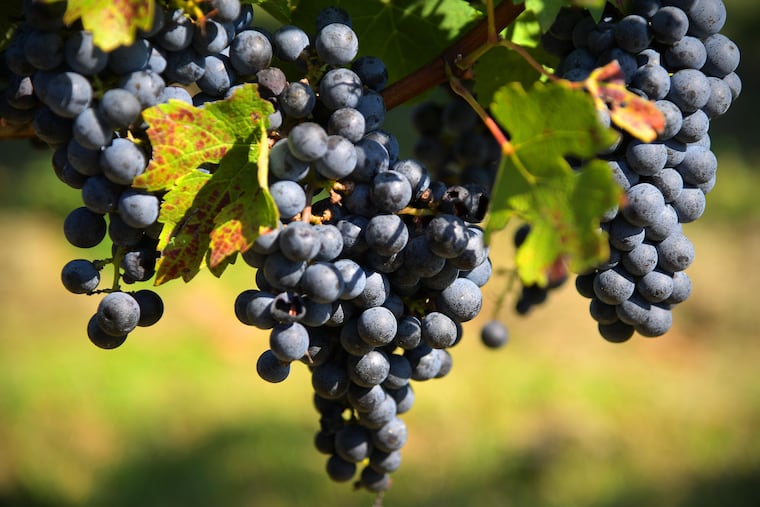
Argentine vintners are transitioning from malbec to the world’s most popular red wine grape.
Argentina has long been recognized by American wine drinkers primarily for its malbec offerings. However, a growing segment of the Argentine wine industry is strategically shifting its focus toward another prominent varietal: cabernet sauvignon. This grape variety, which holds the title of the most widely planted red wine grape globally, demonstrates remarkable performance in the foothills of the Andes mountains. Furthermore, cabernet sauvignon is disproportionately represented among the world’s most esteemed and sought-after wines, prompting Argentine vintners to consider a transition from malbec to a potentially more lucrative option.
In the modern wine market, consumer preferences are evolving, with wines that prominently feature the term “organic” selling more effectively than their non-organic counterparts at similar price points. This important trend incentivizes winemakers not only to experiment with newer grape varieties but also to pursue organic certification for their vineyards. The cultivation of organic grapes aligns with the increasing consumer demand for sustainably produced products and enhances a winery’s competitive advantage.
Argentina’s favorable climate conditions, particularly in regions like Mendoza, facilitate the shift toward organic farming practices. The sunny and dry climate in this area reduces the reliance on interventions such as fertilizers, fungicides, and herbicides, which are often necessary in regions with higher rainfall and humidity. As a result, vintners in Mendoza can cultivate healthy grapes organically with relative ease, requiring only compliance with regulatory paperwork and associated filing fees.
Among the noteworthy offerings is a value-oriented wine made exclusively from certified organic cabernet sauvignon grapes. This wine features an enticing profile characterized by vibrant notes of red cherry and ripe blackberry, complemented by savory Mediterranean aromas such as roasted red peppers and black olives. Its midweight, refreshing qualities make it an excellent pairing for diverse dishes, from burritos to pizza.
As the Argentine wine market pivots towards cabernet sauvignon and organic practices, producers like Santa Julia exemplify the adaptation to contemporary consumer trends while positioning themselves for future success. This strategic evolution underscores the potential of Argentine vineyards to carve out a distinctive niche in the competitive global wine landscape.
The highlighted Santa Julia cabernet sauvignon hails from Mendoza, boasting an alcohol by volume (ABV) of 13.5%. Currently available for .49 on sale until November 2, this organic offering has garnered attention from wine enthusiasts and casual drinkers alike. With its accessibility and distinctive flavor profile, it represents a compelling example of Argentina’s promising wine future centered around sustainability and quality.
Media News Source.