
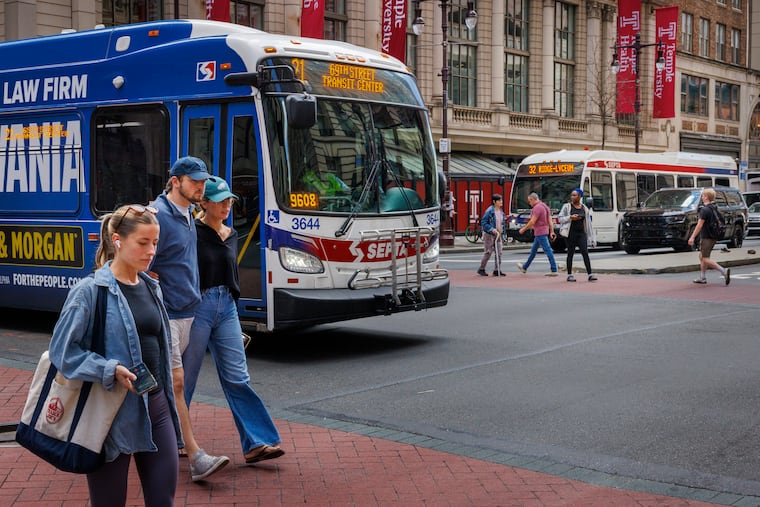
Arts season begins soon; potential impacts on audience attendance due to SEPTA budget cuts.
The challenges facing Philadelphia’s arts and culture sector are compounded as the Southeastern Pennsylvania Transportation Authority (SEPTA) prepares to implement significant service cuts amidst a substantial operating deficit. SEPTA, the sixth-largest public transit system in the nation, faces a projected 3 million deficiency for the 2026 fiscal year, which commenced on July 1. Negotiations over funding among state legislators have reached an impasse, leading to drastic reductions in transit services.
As of this week, SEPTA has enacted a 20% reduction in bus, subway, and trolley services. Following this immediate cut, the agency plans to reduce the number of midday trains across all lines next week, while simultaneously increasing the base fare to .90. The impact of these changes threatens the accessibility of crucial arts events, as individuals who rely on public transport may find it increasingly difficult to attend performances and exhibitions.
Preliminary assessments suggest that this reduced access could significantly affect attendance figures for local arts events. According to a recent survey by the Greater Philadelphia Cultural Alliance, over 20% of theatergoers typically use public transportation to reach their destinations. The potential loss of even a small portion of this audience could hinder ticket sales just as the 2025-26 arts season is set to unfold.
One immediate consequence of the cuts is the elimination of the Mann Loop, a vital service that provided direct connectivity between Center City and the Mann Center in Fairmount Park, which had seen increased demand. Arts leaders and stakeholders emphasize the vital role of SEPTA in the cultural fabric of Philadelphia, arguing that public transport is essential for fostering engagement across a diverse range of audiences.
Moreover, the repercussions of the reduced service extend beyond mere attendance at events. Many cultural institutions within the city have yet to fully recover from pandemic-era losses. The recent cancellation of federal funding from sources such as the National Endowment for the Arts has further strained resources for arts organizations.
The effects of these transit cuts disproportionately impact arts workers and students as well. Many employed by local cultural institutions rely on public transport to commute, particularly those who live outside affluent neighborhoods. The ability to access workplaces, especially when services are reduced or eliminated during nighttime hours, represents a growing concern.
The implications of these service cuts reach into the heart of Philadelphia’s creative economy, which Hill stakeholders estimate to be worth .1 billion. As regional leaders call for renewed support for public transit funding, there is increasing urgency to ensure that the infrastructure necessary for a vibrant cultural scene remains intact. Engaging diverse audiences and facilitating workforce accessibility is paramount for sustaining the city’s artistic landscape.
Moving forward, arts organizations and community leaders continue to advocate for the restoration of public transit funding, stressing that the preservation of SEPTA services is critical not only for accessibility to arts events but also for the broader vitality of Philadelphia’s cultural ecosystem.


