Autistic children disproportionately affected as uncertainty surrounds SNAP benefits.
Earlier this week, the United States Congress took decisive action by approving a measure aimed at reopening the federal government. However, for over 470,000 residents of Philadelphia, the timeline for the restoration of full Supplemental Nutrition Assistance Program (SNAP) benefits remains unclear, leaving many families in a precarious position as they struggle with food insecurity.
Food insecurity is a significant concern, particularly impacting Philadelphia’s youth, with alarming statistics indicating that approximately one in four children in the city face challenges in accessing healthy food options. As a pediatrician, I witness the effects of food insecurity firsthand. Many parents express their struggles not only in locating healthy food options but also in securing enough sustenance to feed their families. It has become routine to provide information about local food banks and pantries during consultations.
Despite the recent end to the government shutdown, the uncertainty surrounding SNAP benefits continues to elicit deep concern, especially regarding the rising levels of food insecurity among children in the city. The situation is even more critical for children with autism, who face unique challenges related to their dietary needs. Autism spectrum disorder is a neurodevelopmental condition that can lead to sensory sensitivities, contributing to extreme selectivity when it comes to food choices. Many children on the spectrum may only accept a limited range of foods, often between five to ten items, making nutritional access even more complex.
Families with children who have both autism and additional intellectual disabilities are particularly vulnerable, facing an estimated twice the risk of food insecurity compared to their peers. This vulnerability is exacerbated by financial strains, childcare obstacles, and decreased employment opportunities. A national survey conducted amidst the COVID-19 pandemic indicated that families of children with autism were nearly four times more likely to experience food insecurity than the general population.
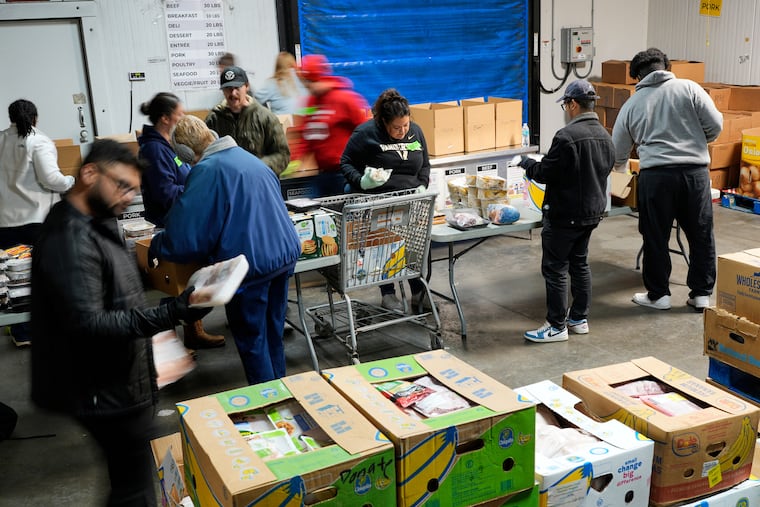
In response to the ongoing uncertainty surrounding SNAP benefits, I am increasingly directing families to local food banks and community pantries in Philadelphia. However, these organizations are typically designed to supplement food supplies rather than replace the sustained support that federal nutrition programs offer. Many are now facing unprecedented demand, even amid increased donations.
While the vital work of these local food assistance organizations is commendable, it is essential to acknowledge the additional barriers faced by families of children with autism. Conversations with concerned parents reveal the difficulties they encounter when attempting to provide specialized nutrition for their children. Many express reservations about accepting food items that do not meet their child’s specific dietary needs, highlighting a broader pattern of adversity at the intersection of food insecurity and disability.
The reopening of government operations offers a glimmer of hope, yet procedural obstacles remain before SNAP benefits can be fully restored. This situation calls for proactive measures from individuals and community members alike. Food insecurity often lurks beneath the surface, stigmatized and shrouded in shame. Therefore, I urge those able to contribute to consider supporting local food pantries with their time, resources, or donations. It is equally important to advocate for a swift restoration of SNAP benefits by contacting elected representatives.
Additionally, compassion can make a formidable difference. Taking the initiative to reach out to families raising children with autism and inquiring about their needs could provide invaluable support. In moments of uncertainty, even small acts of kindness may prevent a child from missing a meal.
As awareness continues to grow about food insecurity, it is crucial that we elevate the conversation around the unique struggles faced by families of children with autism while demanding the necessary systemic changes to support vulnerable populations.
Media News Source