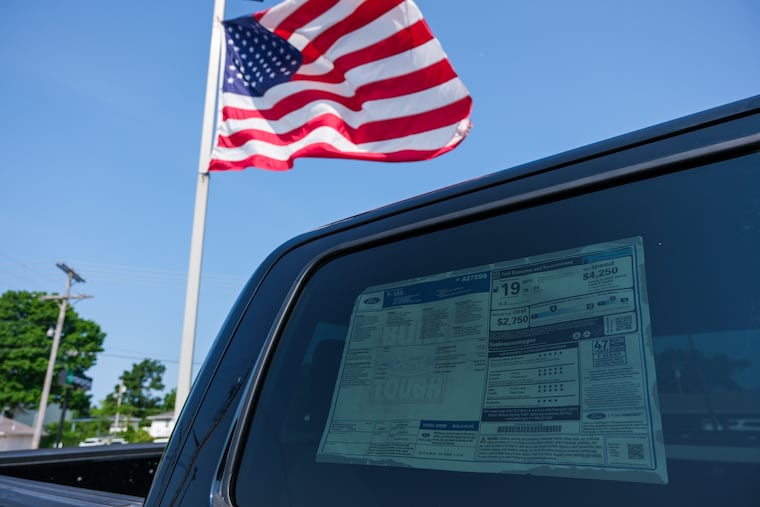
Automakers implement hidden price increases to offset the impact of tariffs imposed during the Trump administration.
Recent developments in the U.S. automotive market have revealed a disturbing trend for consumers as the effects of President Donald Trump’s tariffs on imported vehicles begin to manifest. While the sticker prices on new vehicles may appear stable, the overall cost of purchasing a car is experiencing a subtle but significant increase. Automotive manufacturers are strategically implementing changes that may contribute hundreds of dollars to consumers’ monthly payments without altering the official prices displayed.
As automakers navigate the implications of the 25% tariffs on imported vehicles, they have resorted to reducing promotional rebates and limiting attractive financing offers. According to data from automotive research firm Edmunds.com, delivery charges have surged, increasing anywhere from to 0, significantly impacting the total cost of vehicle purchases.
Dealerships are also adjusting their pricing strategies. A growing number of dealers are setting higher prices for existing inventory, anticipating elevated replacement costs due to the tariffs. This operational maneuvering aims to mitigate financial repercussions while avoiding public backlash, as demonstrated by the negative consumer reaction experienced by retailers like Walmart after announcing price increases attributed to the trade policies.
The consequences of these adjustments are already evident in market data. The average sale price for new cars surged by 2.5% in April—the largest increase recorded in the last five years—reaching nearly ,700. Concurrently, the average incentive offered to buyers has dwindled, falling from 10% to approximately 6.7%. Moreover, zero-percent financing options, a common promotional strategy, have steadily declined to their lowest levels since 2019.
In anticipation of escalating prices, automakers are proactively planning additional standard price hikes. Companies like Ford and Subaru have indicated intentions to raise prices by ,000 to ,000 on specific models produced in Mexico as a direct response to the tariffs. Such actions are being mirrored by Hyundai, which is contemplating a 1% increase across its entire vehicle range.
As the automotive industry prepares for a seasonal transition, the changes in pricing structures—whether through reduced incentives or direct increases—are anticipated to become more apparent to consumers over the coming months. Analysts predict that as the supply of pre-tariff vehicles diminishes, the full impact of these strategies will emerge, further complicating the consumer landscape.
Current surveys indicate that many potential car buyers are already re-evaluating their purchasing decisions in light of rising costs. The anticipated reduction in sales volumes—predicted to decline from 16 million to 15.6 million over the next year—serves as a clear warning of the economic strain these tariffs may impose on the automotive market.
In summary, the automotive industry’s response to tariff pressures—characterized by a blend of indirect price increases and reduced consumer incentives—significantly alters the landscape for potential vehicle buyers. As manufacturers and dealers adapt to the new economic environment, it remains to be seen how these shifts will ultimately influence consumer behavior and overall demand in an industry already grappling with rising prices. The connectedness of these changes underscores the complex interplay between trade policy and consumer purchasing power in the U.S. automotive sector.
Source: Media News Source